The life the
forest protects.
A preserved forest is a forest full of wildlife. More than 500 species of fauna and flora already identified and monitored at Manoa — including the rare melanistic jaguar.
A monitored sanctuary.
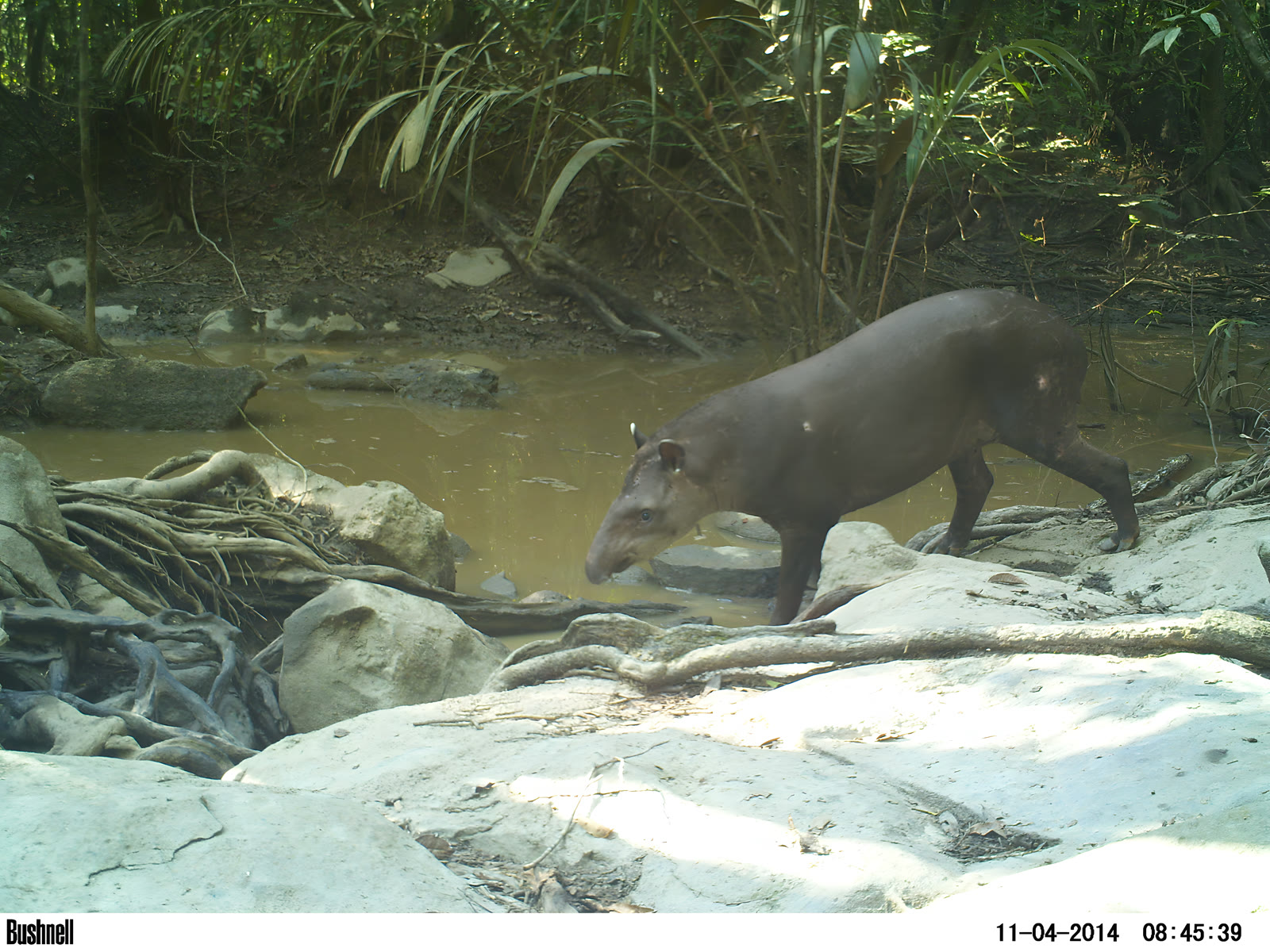
Manoa's forest is a living laboratory. For over a decade, biologists and researchers have monitored fauna and flora with inventories, trails and camera traps spread through the forest — recording rare species and measuring the ecosystem's health year after year.
- +500 species of fauna and flora already catalogued
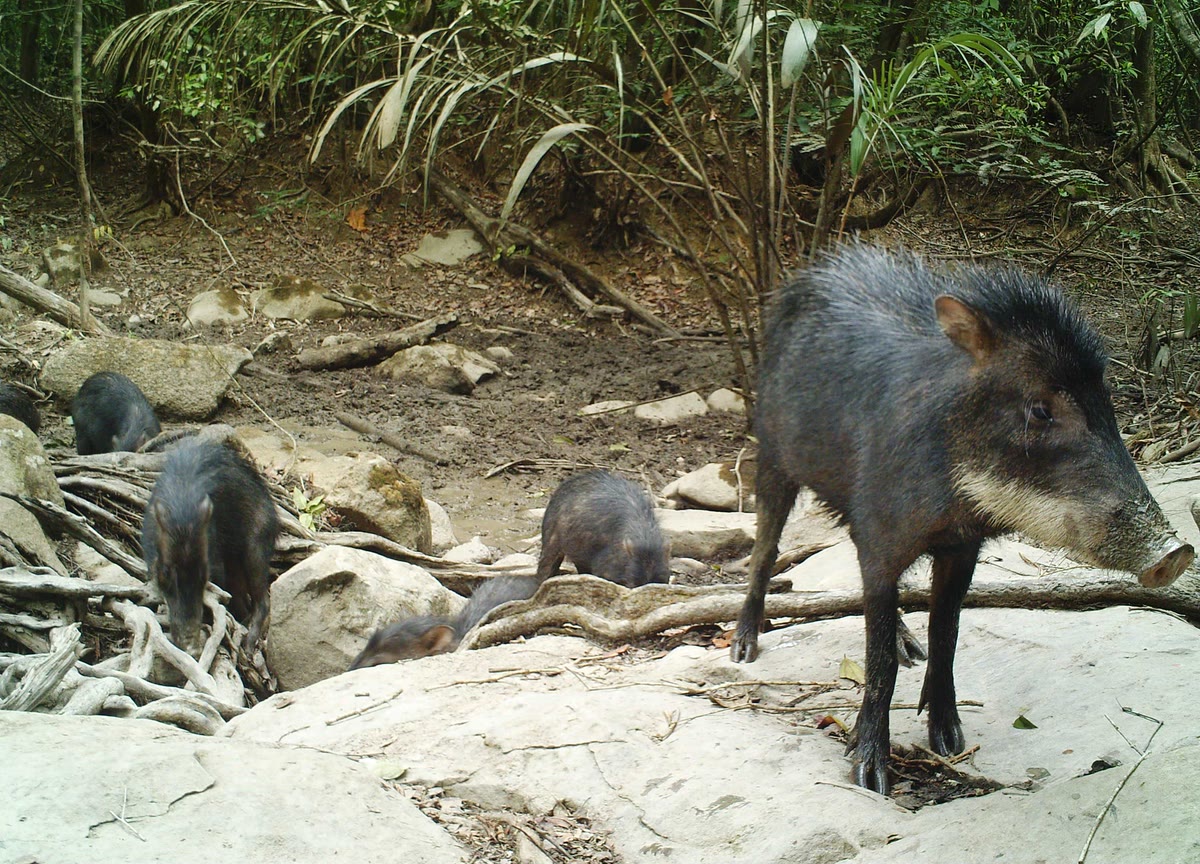
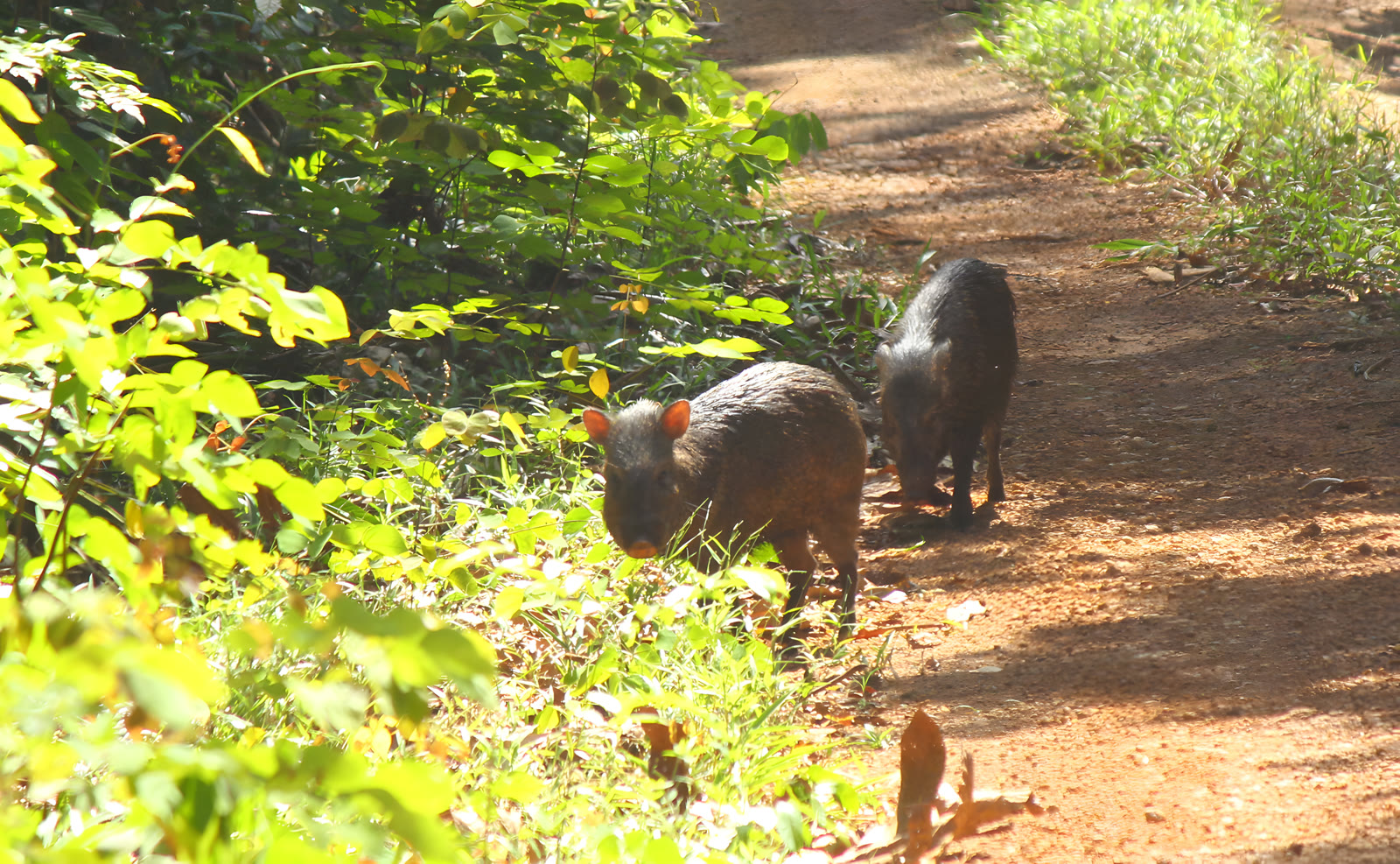
- Camera traps capturing jaguars, tapirs, peccaries and birds
- Continuous research in partnership with institutions and universities
Connected to a block
of 480 thousand hectares.
Manoa's forest links to the Jacundá and Jamari National Forests and the Samuel Reserve, forming a continuous corridor of about 480 thousand hectares. This block allows animals to migrate and reproduce safely — maintaining the genetic diversity of the entire region.
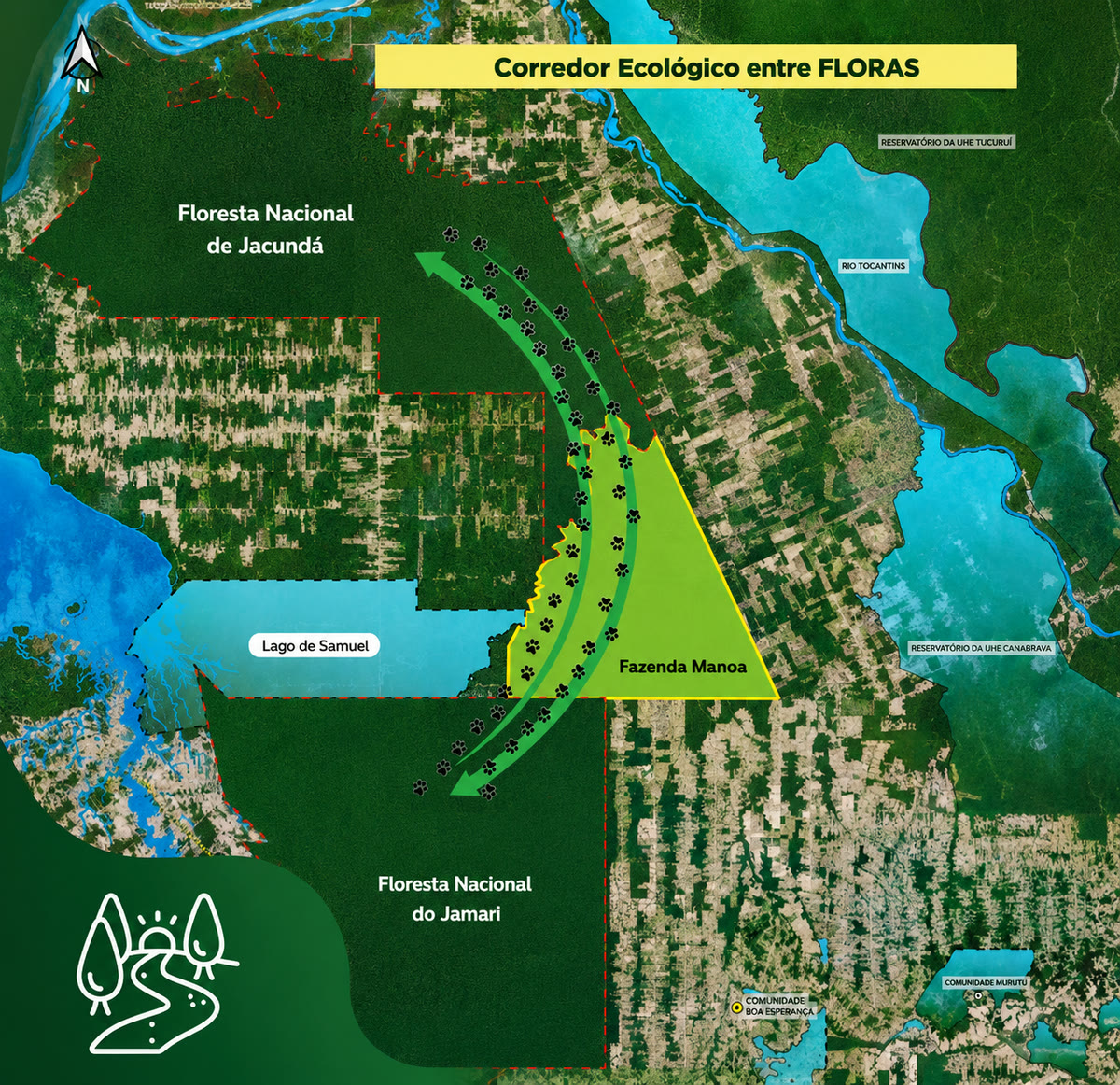
The natural route along which wildlife moves between the large forest blocks.
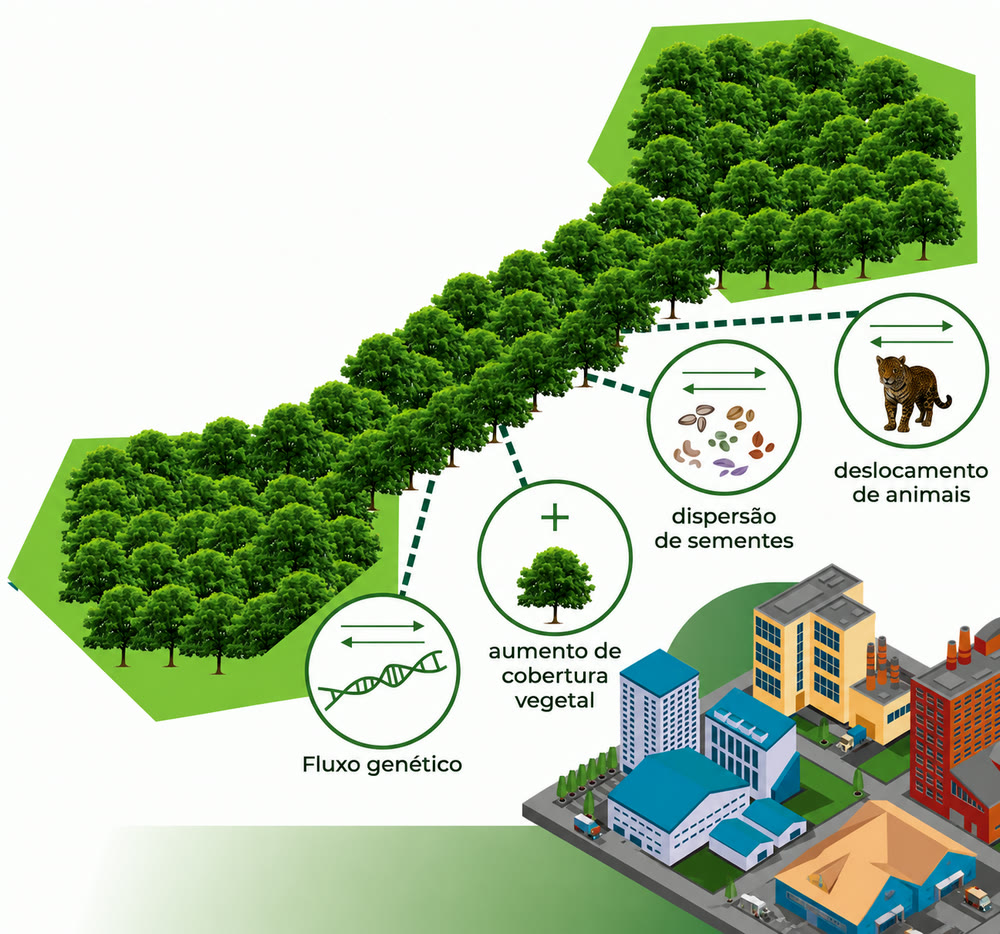
A continuous path for life
Corridors connect forest areas fragmented by human action, ensuring that fauna and flora maintain their natural cycles of life, movement and reproduction. Many species only reproduce with natural movement routes — the corridor allows:
- Safe migration between forest areas
- Encounters between different populations
- Maintenance of genetic diversity
- Continuity of routes used for generations
Without these corridors, animals become isolated and the population declines. By keeping the forest connected, the corridor ensures that nature stays in motion.
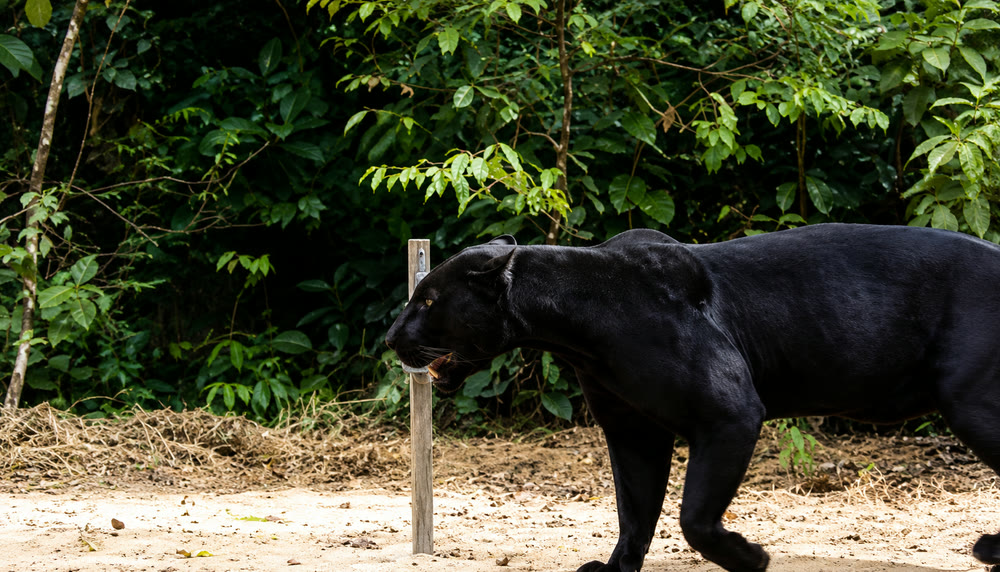
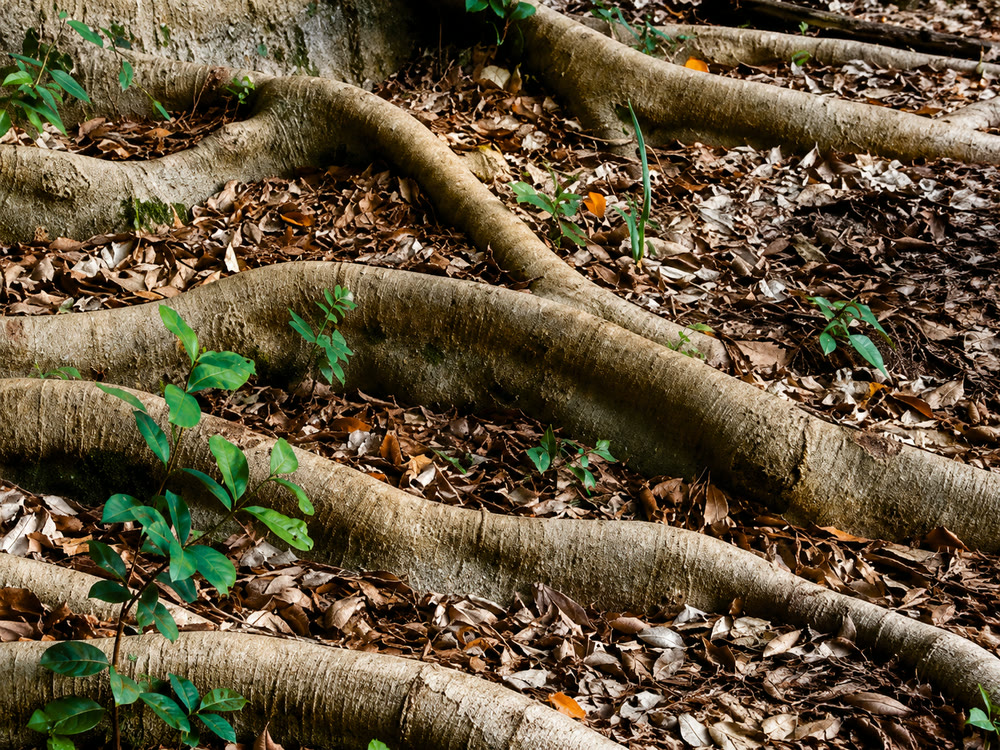
The wildlife of Manoa.
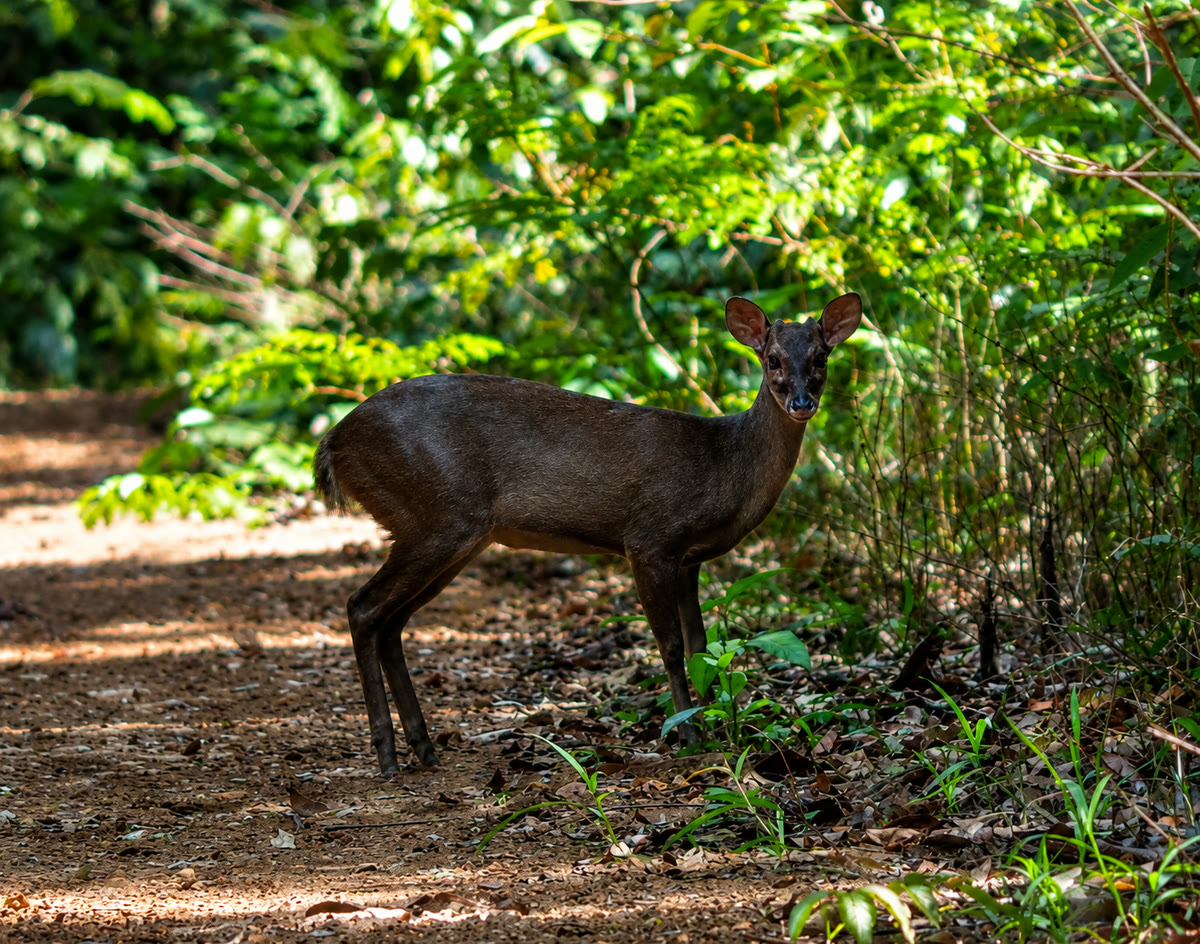
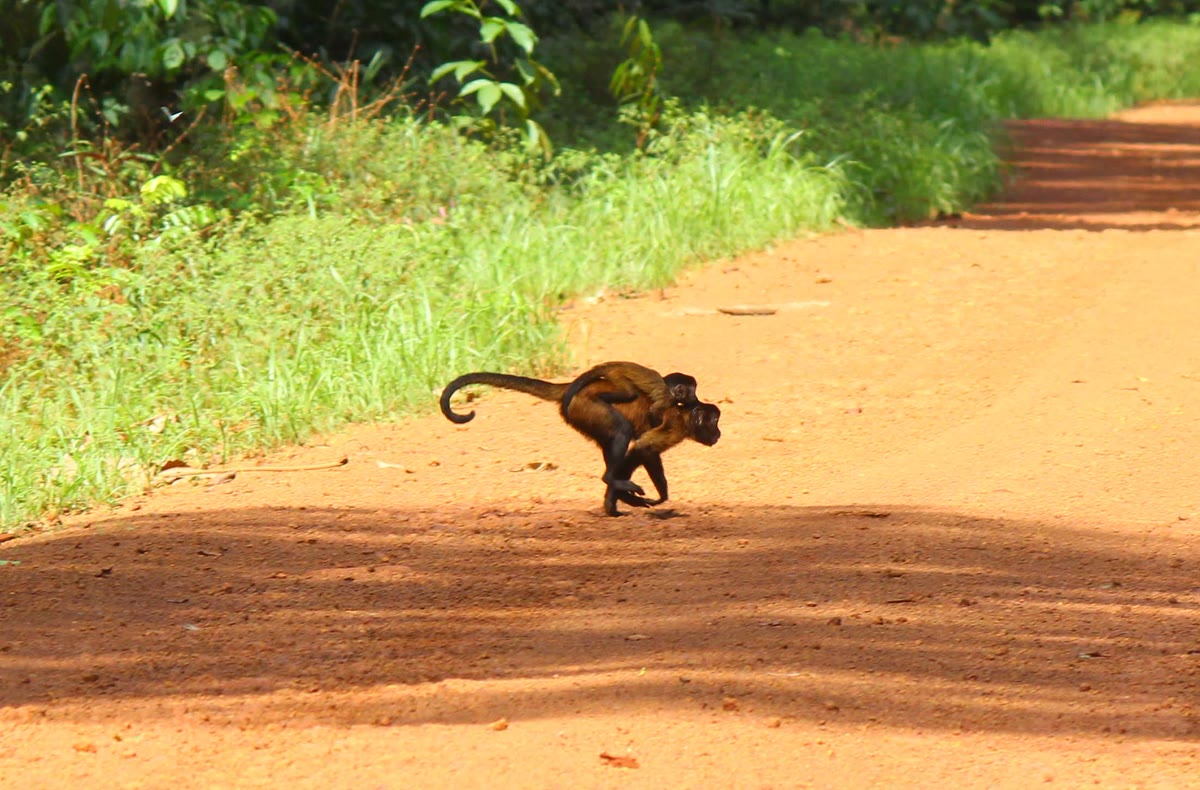
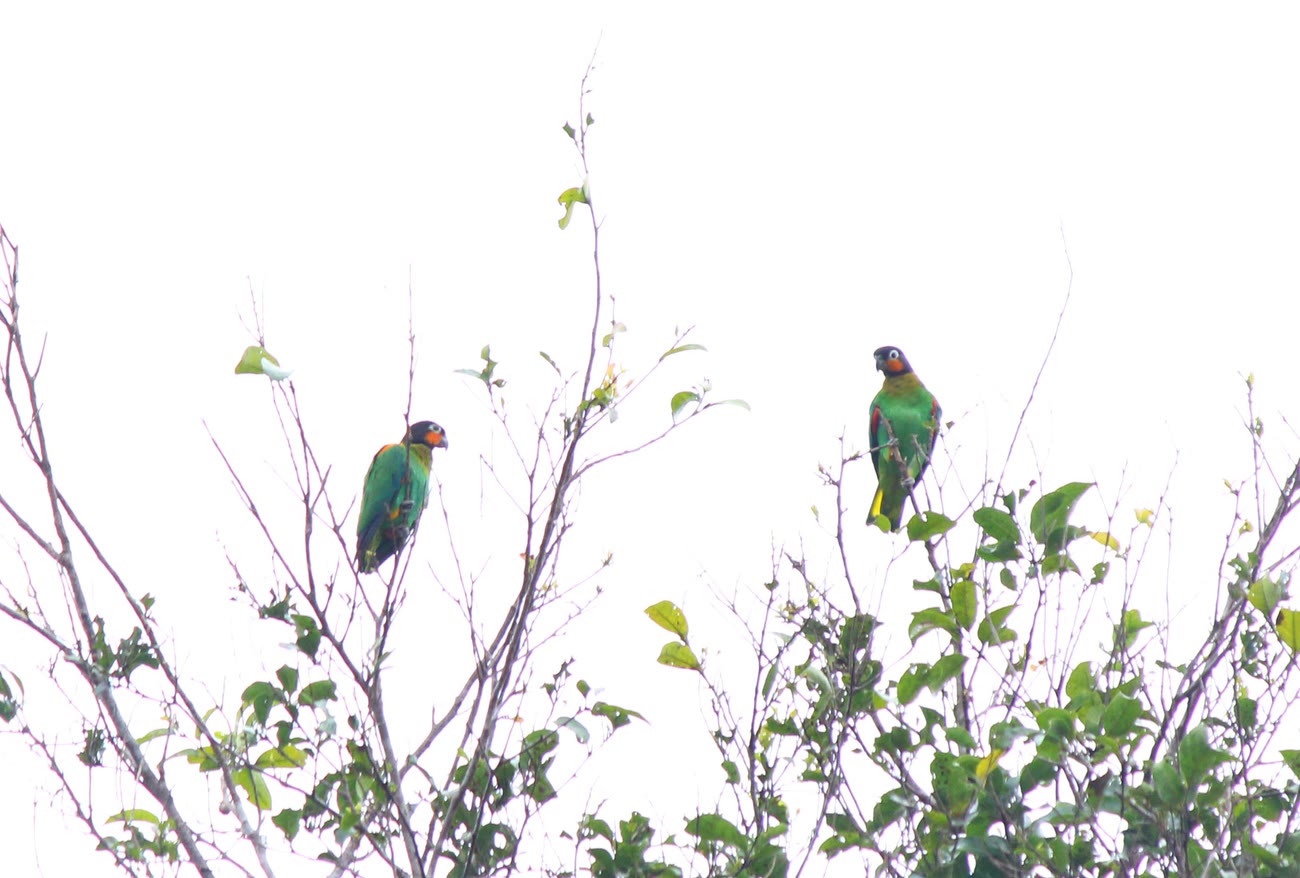
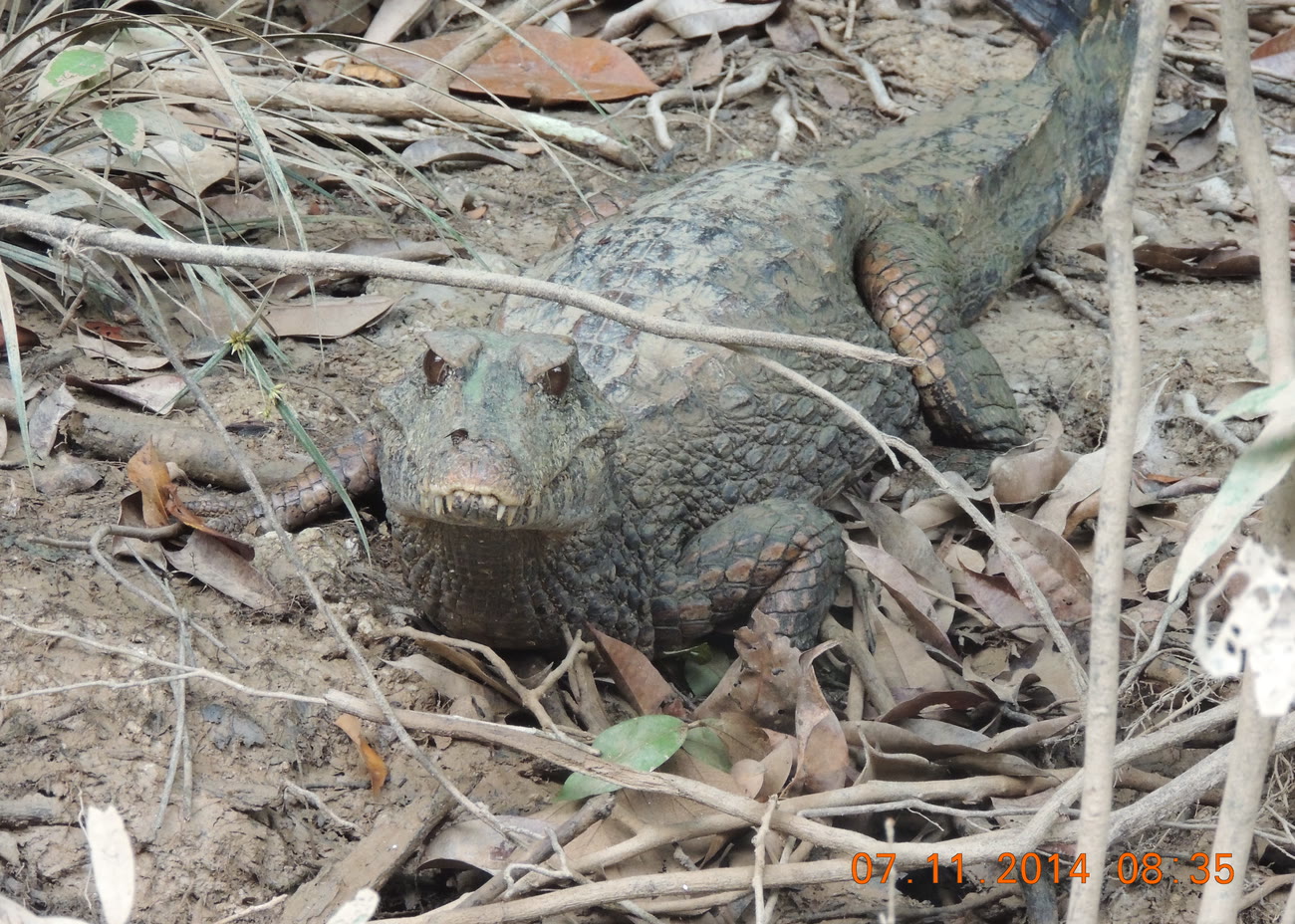
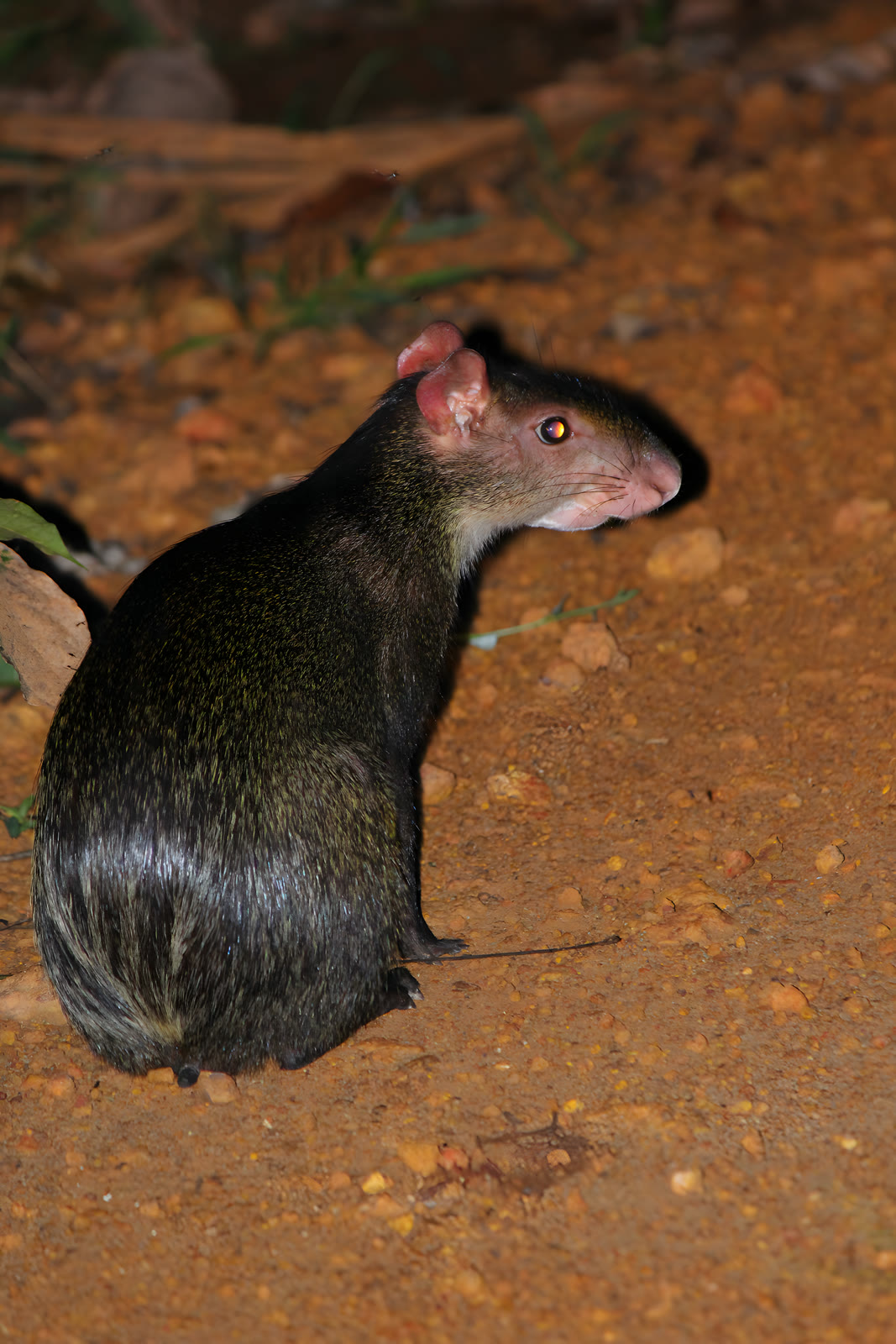
More than 360 animal species already identified — jaguars, tapirs, peccaries, primates, birds and reptiles that move freely through the ecological corridor in search of food, shelter and mates to reproduce. Many were caught by the lenses of the camera traps spread through the forest: each record is living proof of a connected, balanced forest in motion. Click to enlarge.
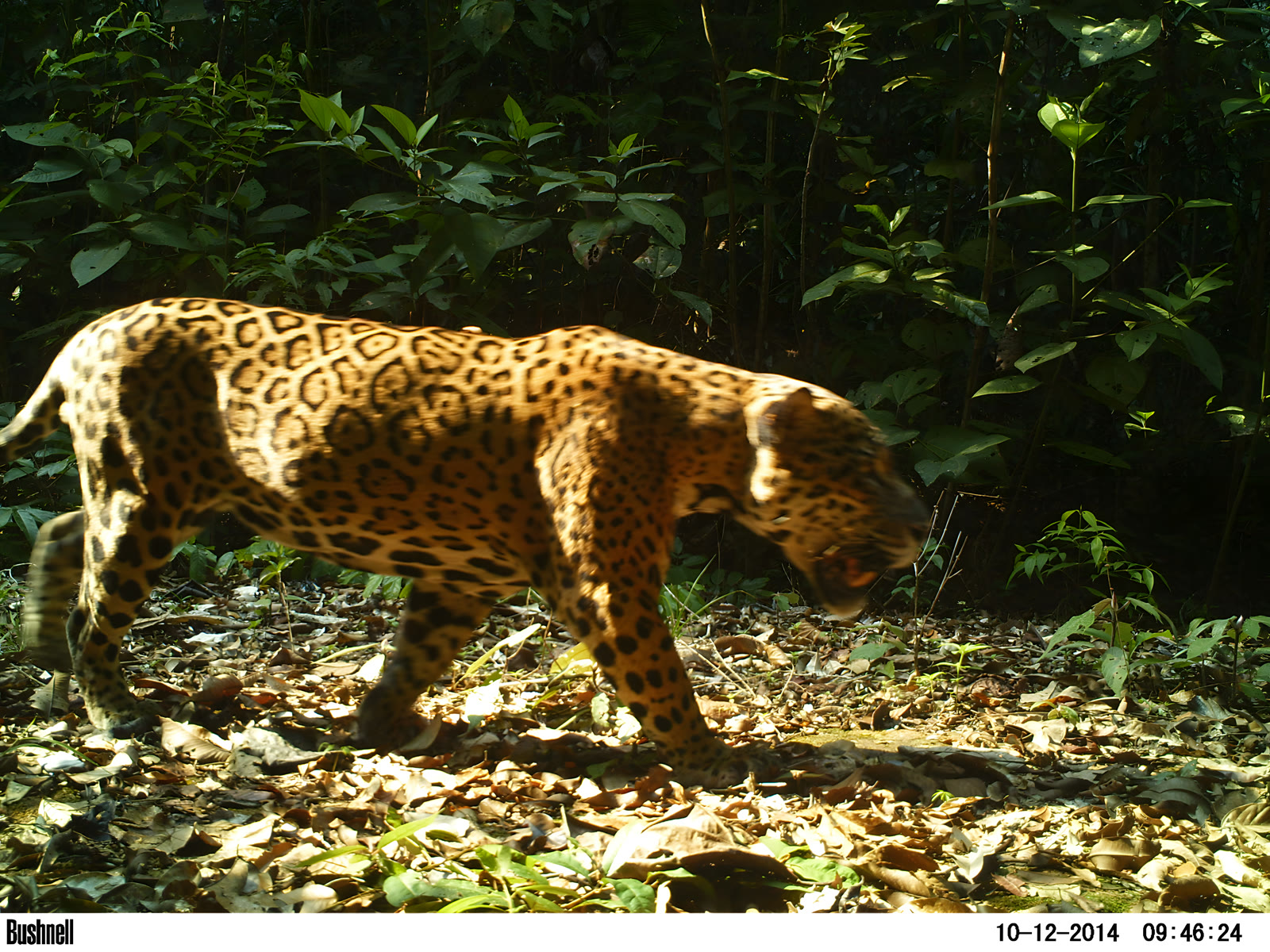 Camera trap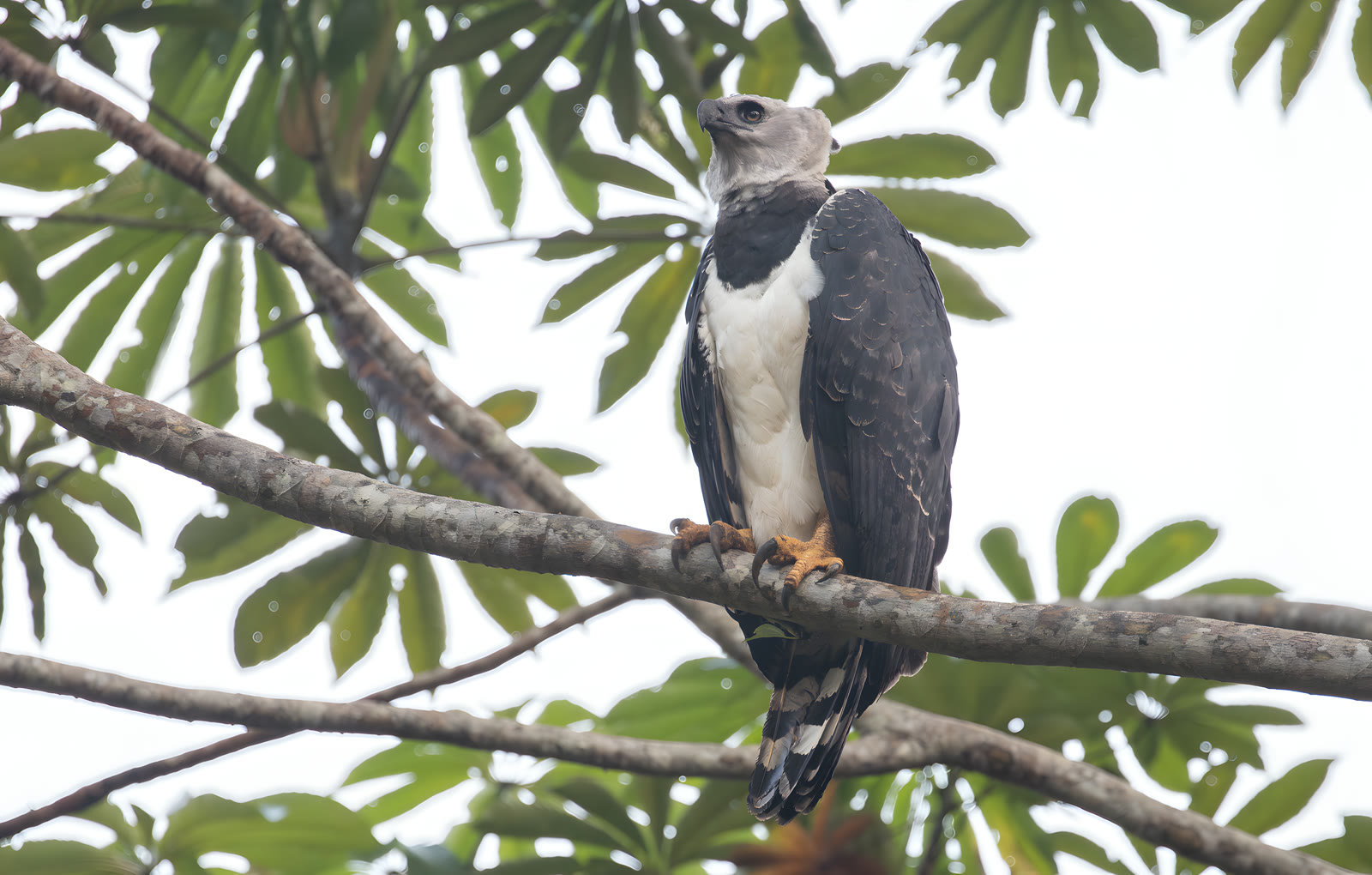
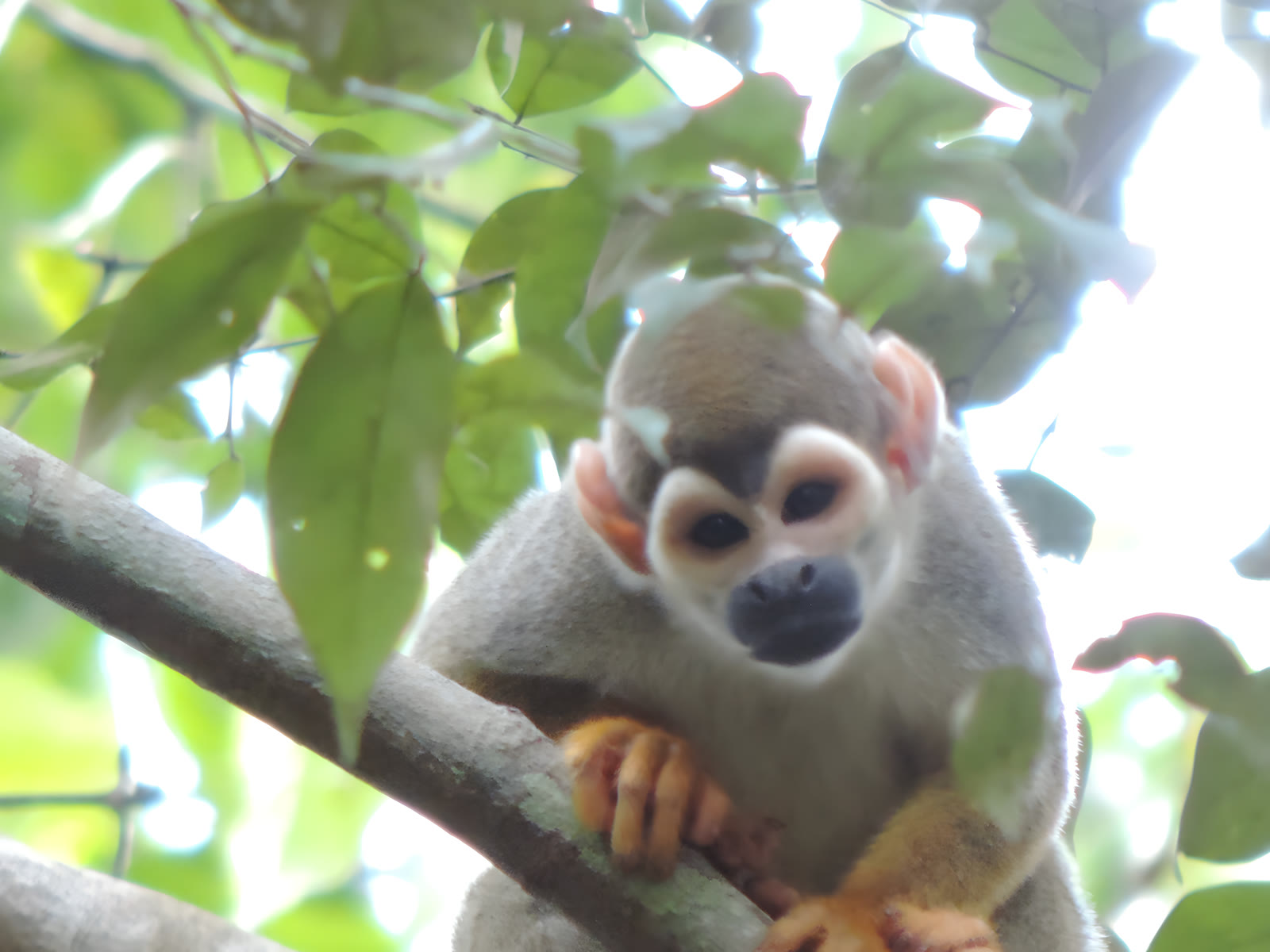
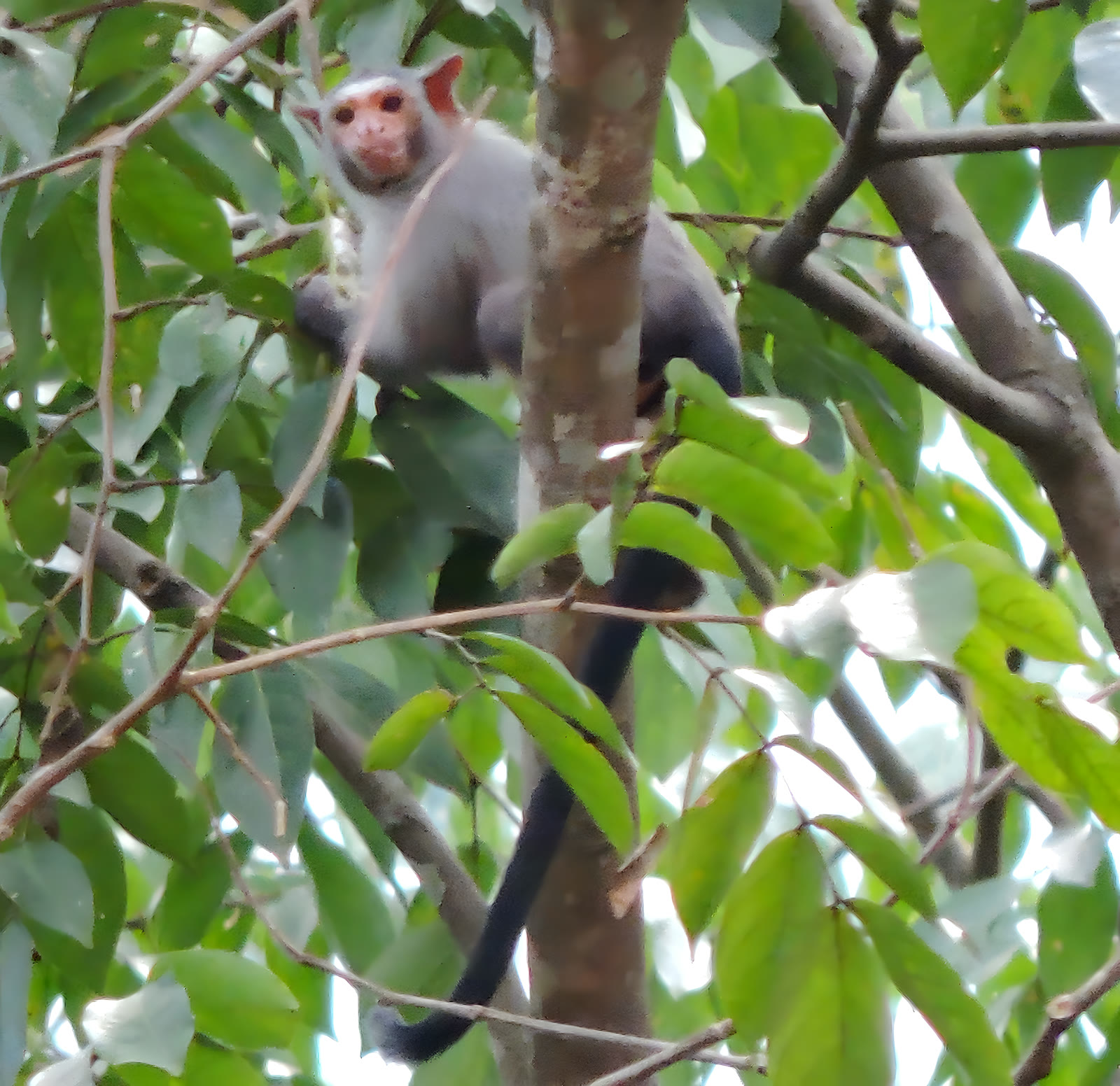
 Camera trap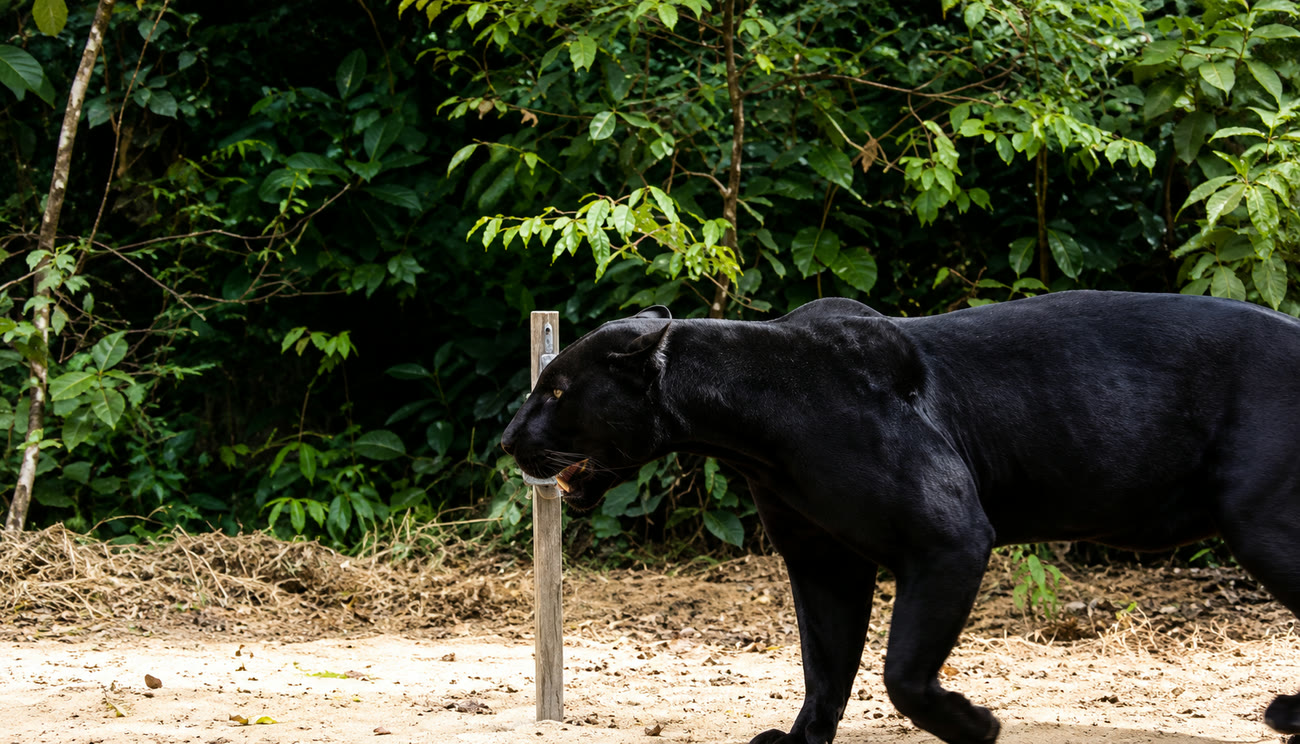
 Camera trap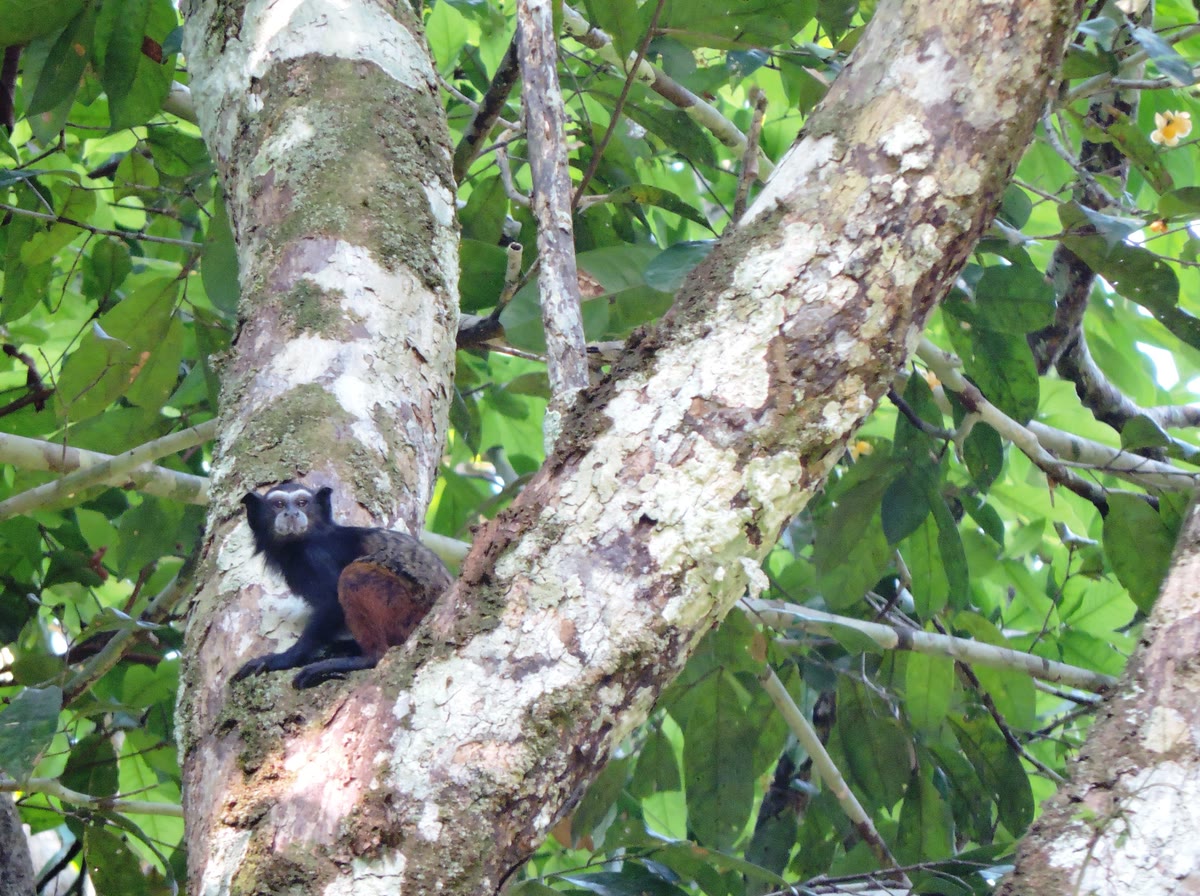
 Camera trap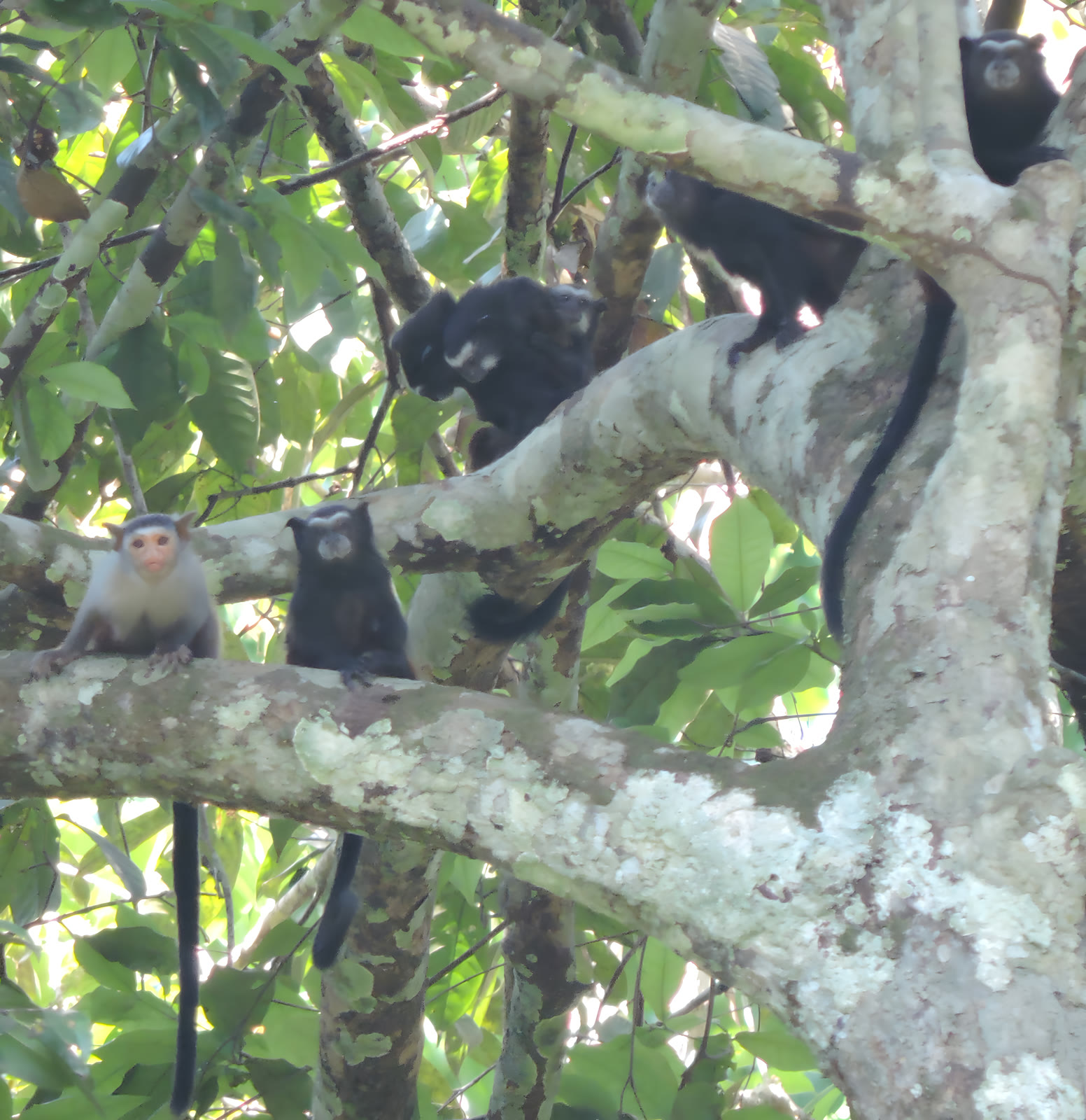
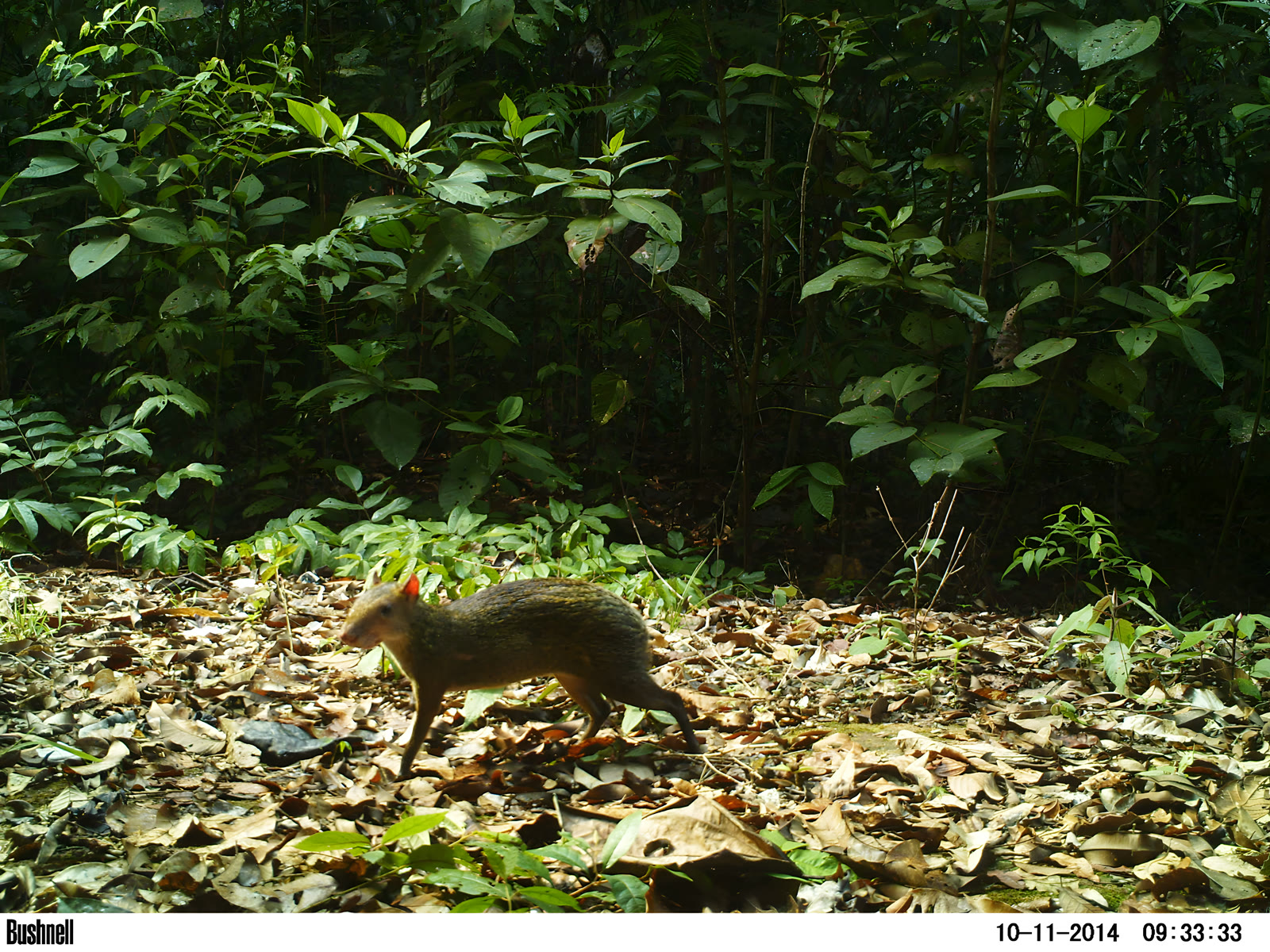 Camera trap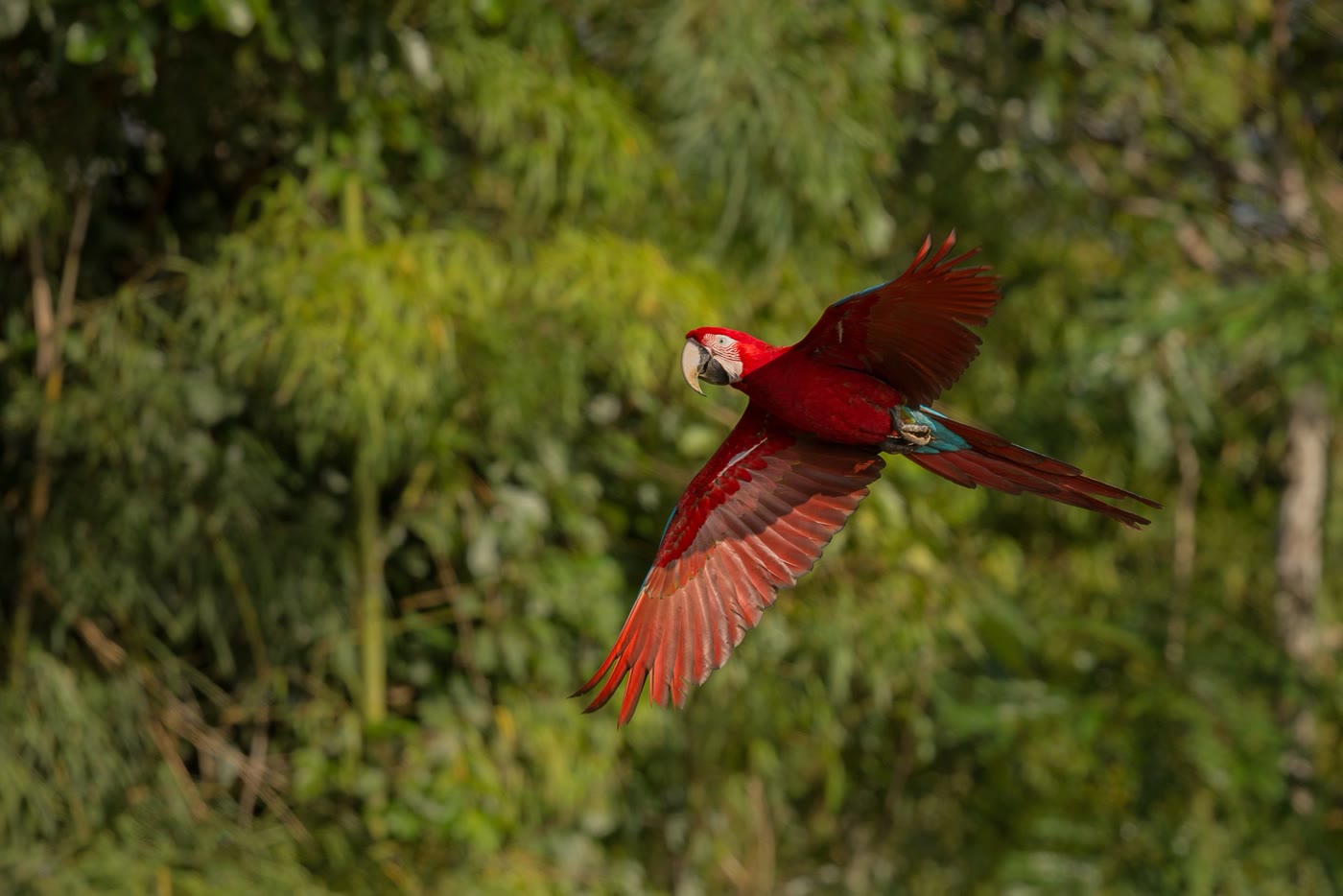
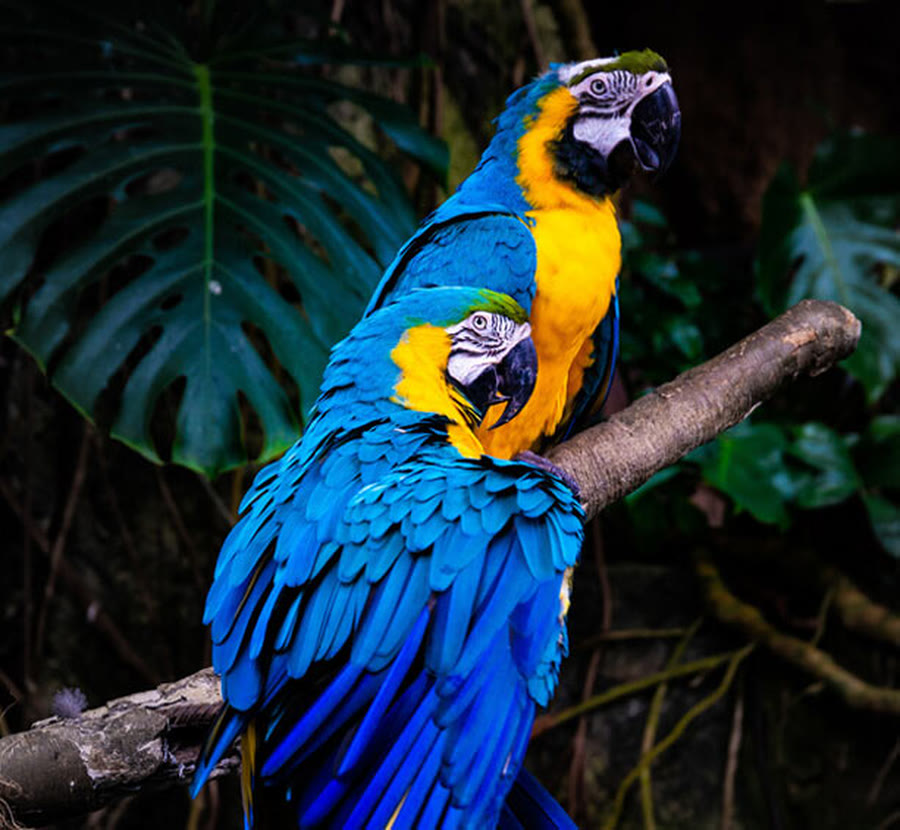
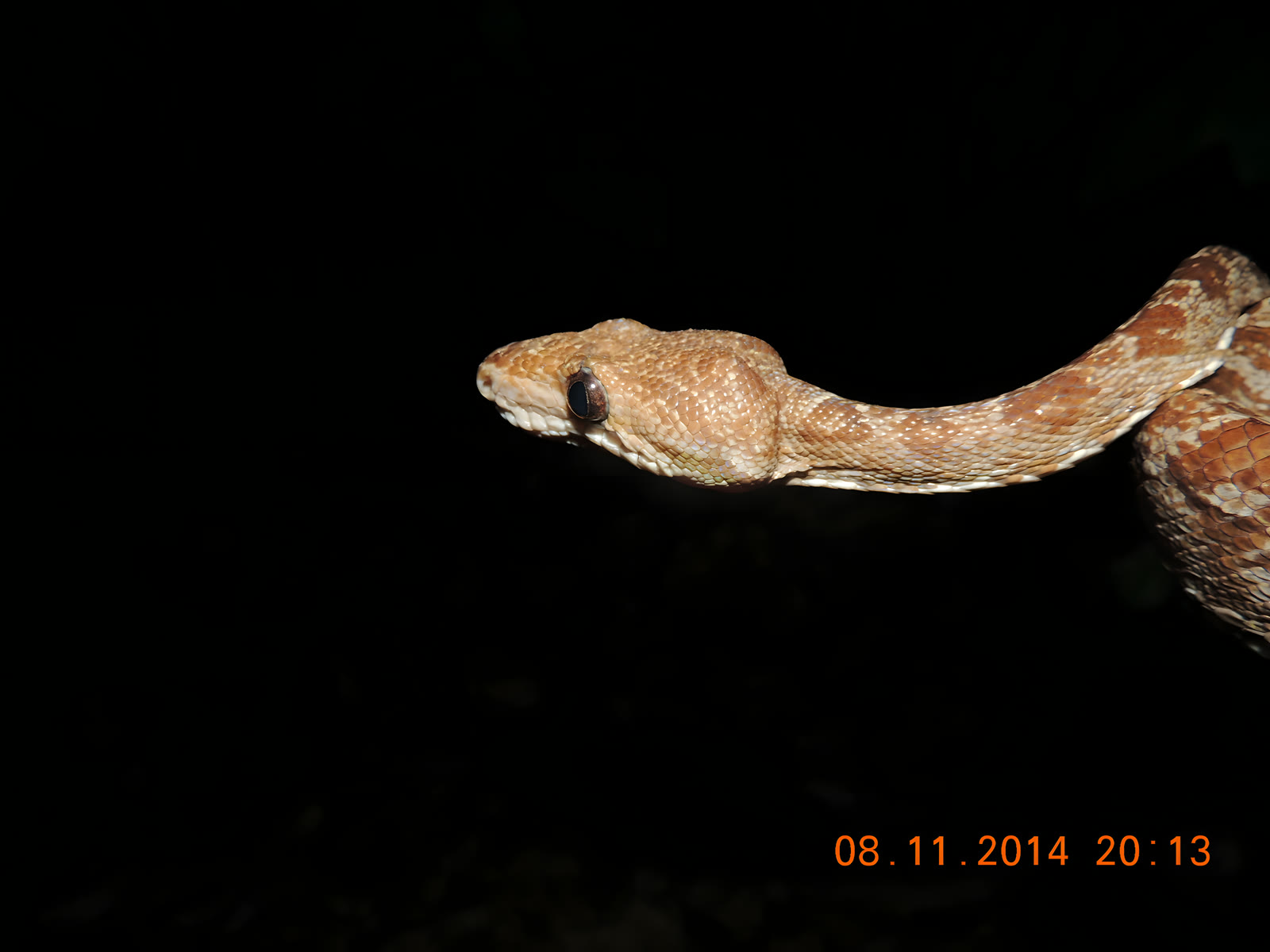 Camera trap
 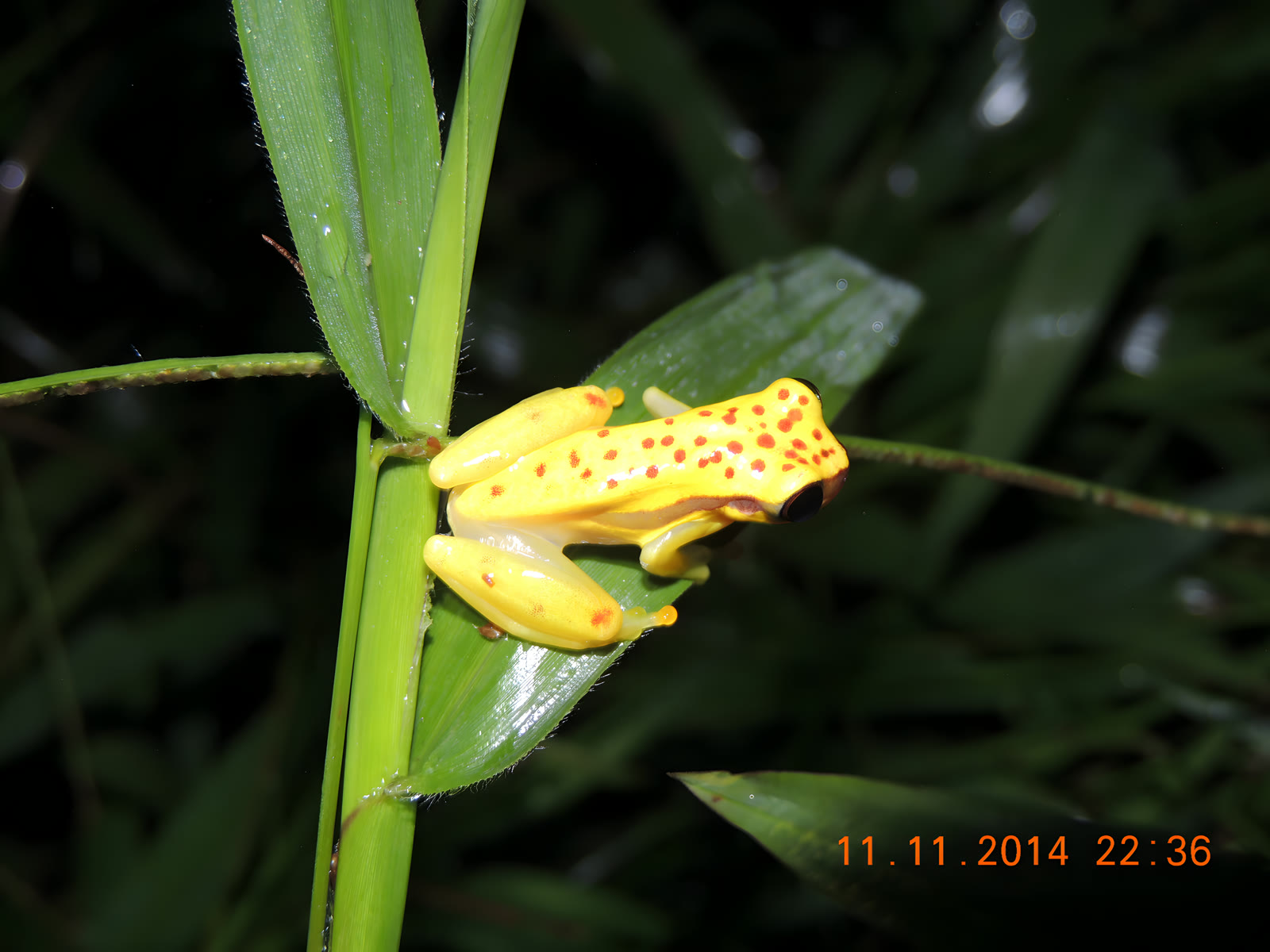 Camera trap
 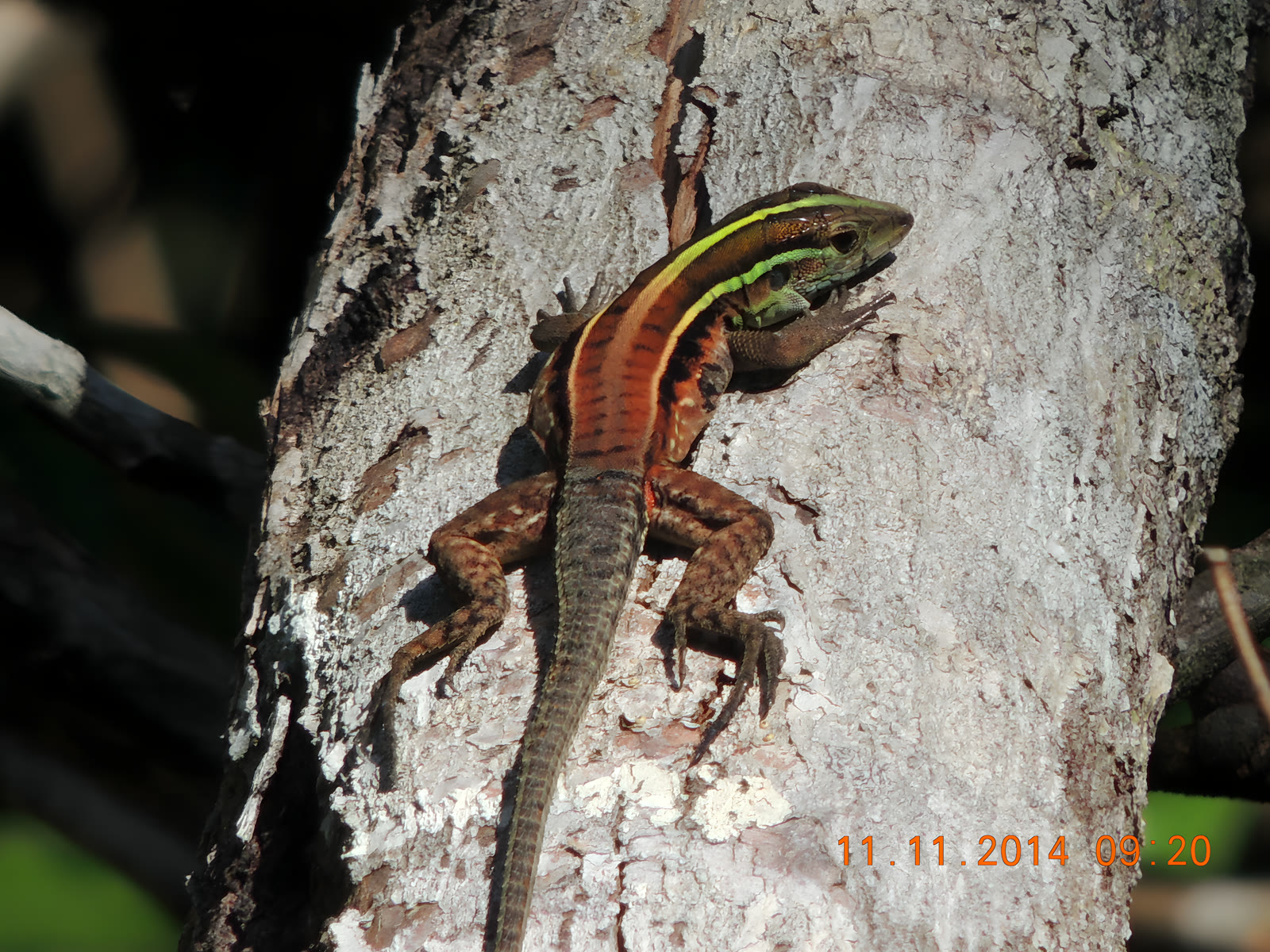 Camera trap
 The life that flows in the rivers.
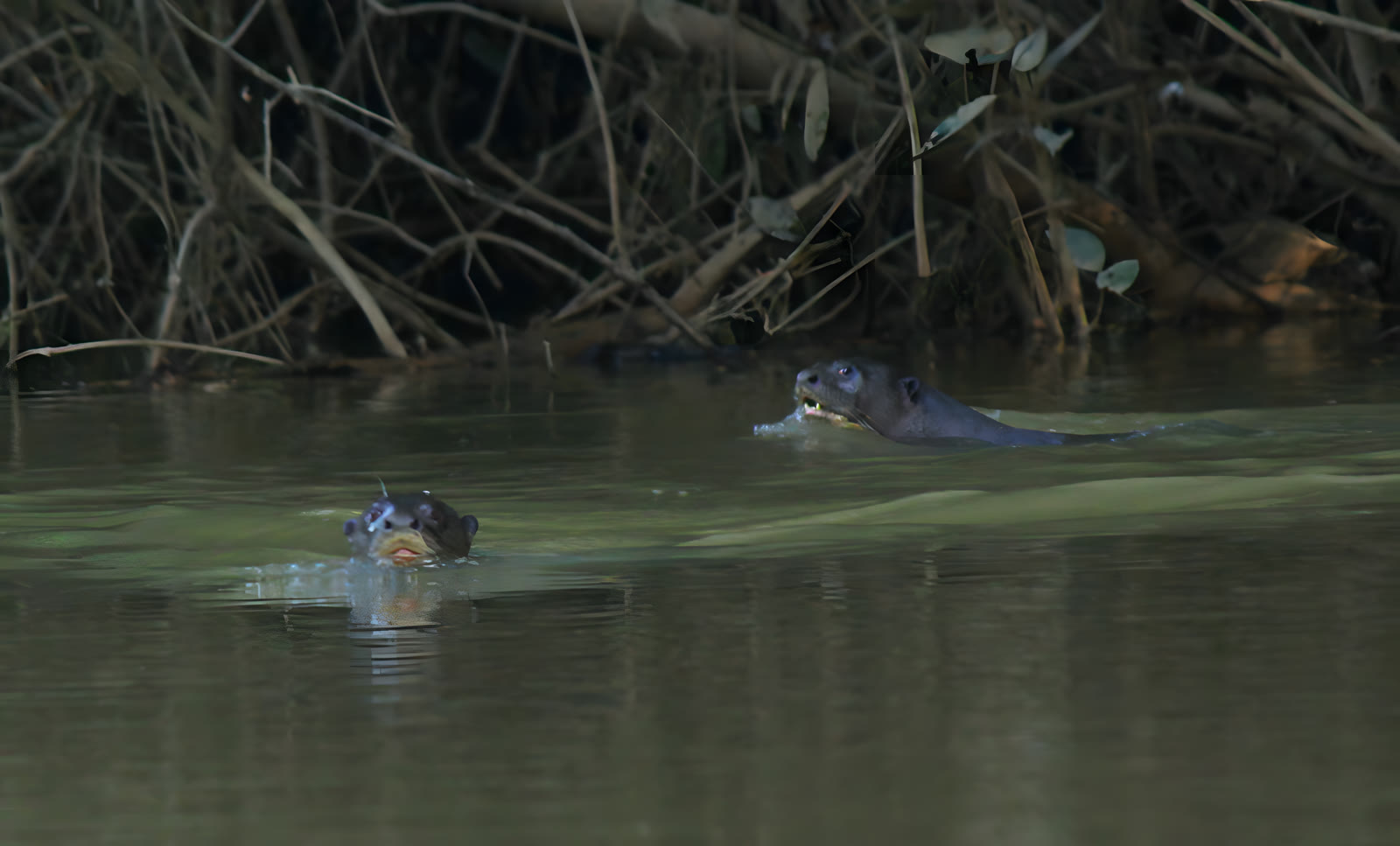
The rivers and streams that cross the forest are the cradle of their own biodiversity. Among them lives the giant otter — the largest otter in the world, threatened with extinction and an indicator of clean, balanced waters.
- Giant otters caught swimming in Manoa's rivers
- Preserved streams that sustain fish, amphibians and aquatic birds
- Intact riparian forest protecting springs and water quality
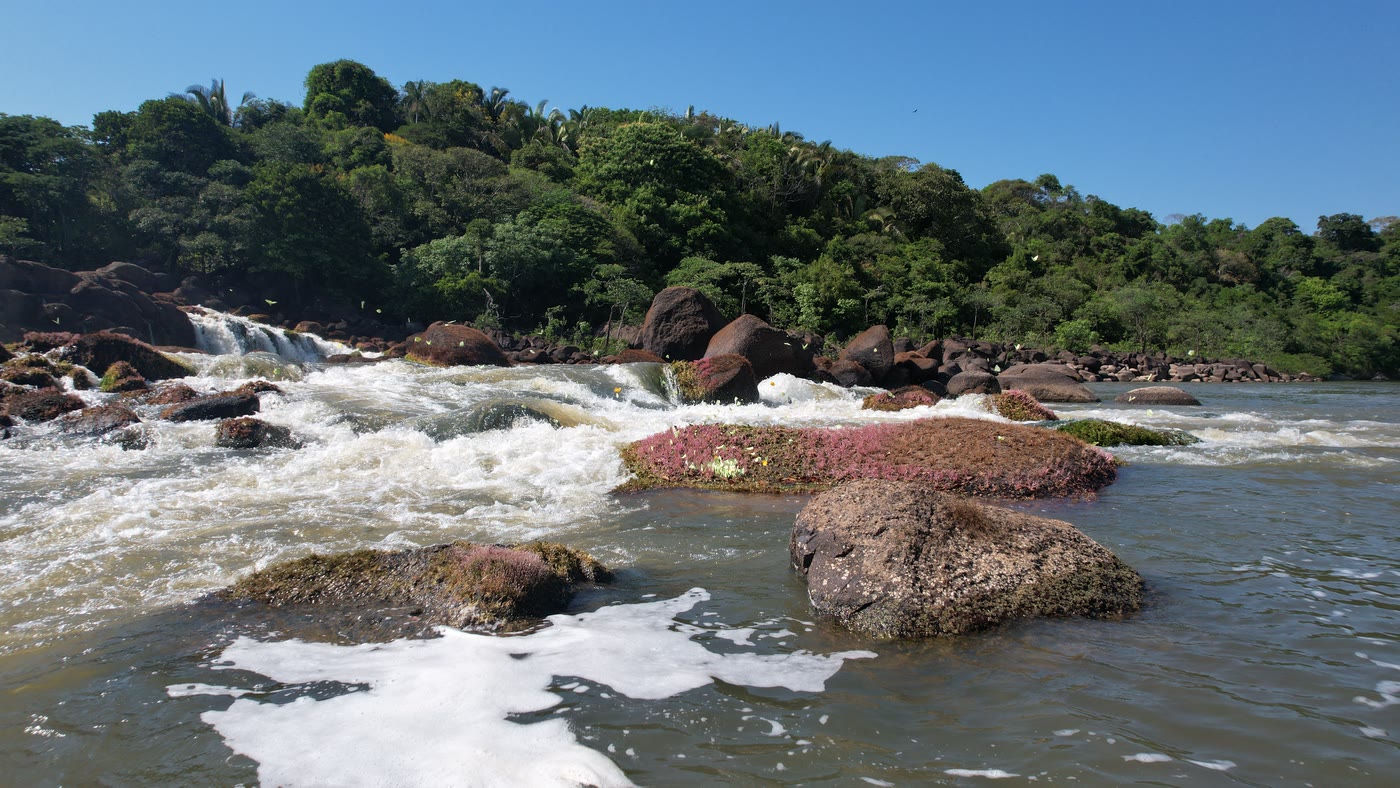
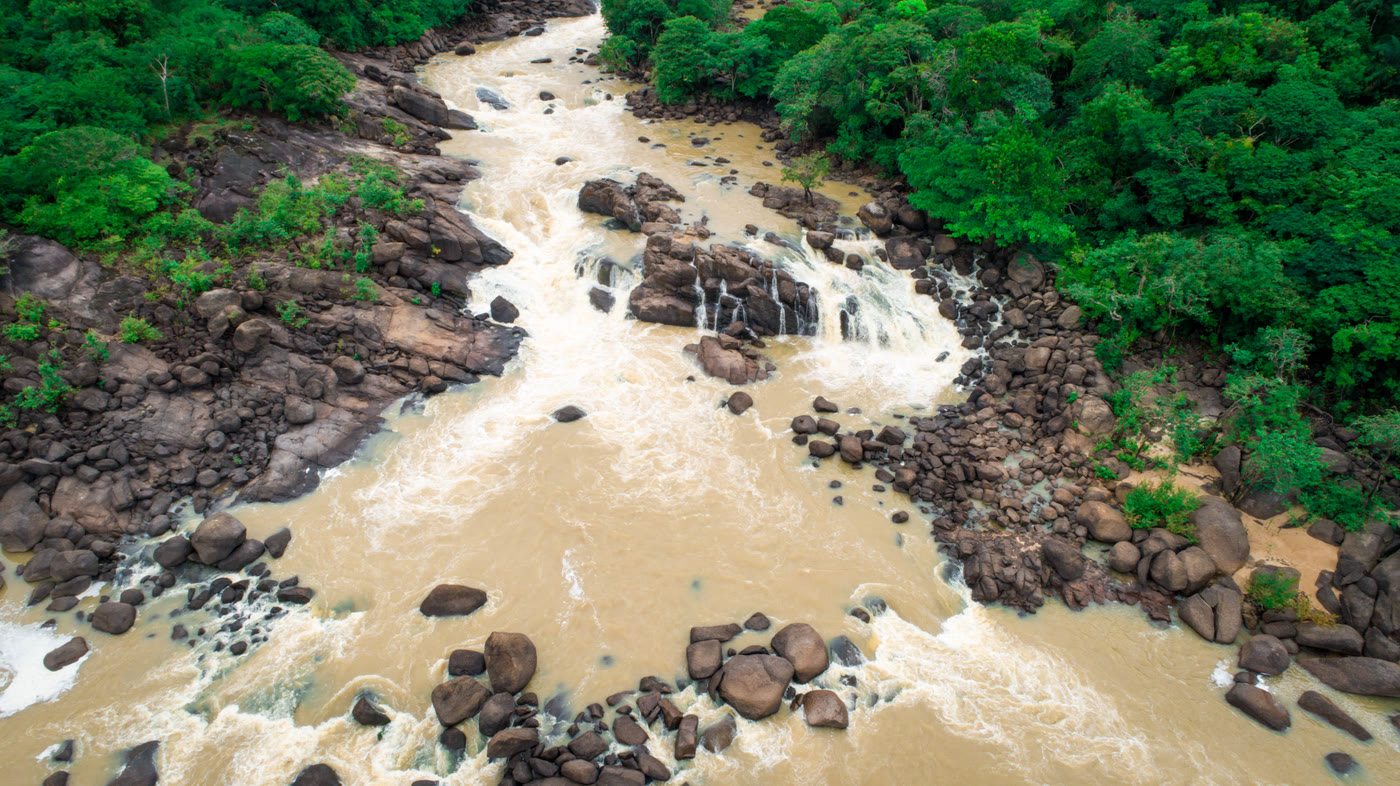
The waterfall, with its scenic beauty, and the mineral lick — an important source of mineral salts for the animals — are unique environments of the Manoa forest, attracting mammals in search of water and the minerals on the banks.
Considered High Conservation Value Attributes, the preservation of these sites is a company priority — ensured by constant monitoring, field surveillance and tracking via satellite imagery.
Manoa Waterfall.
It was this waterfall that gave the company its name — one of the most scenic and protected environments in the entire forest.
More than 177 plant species.
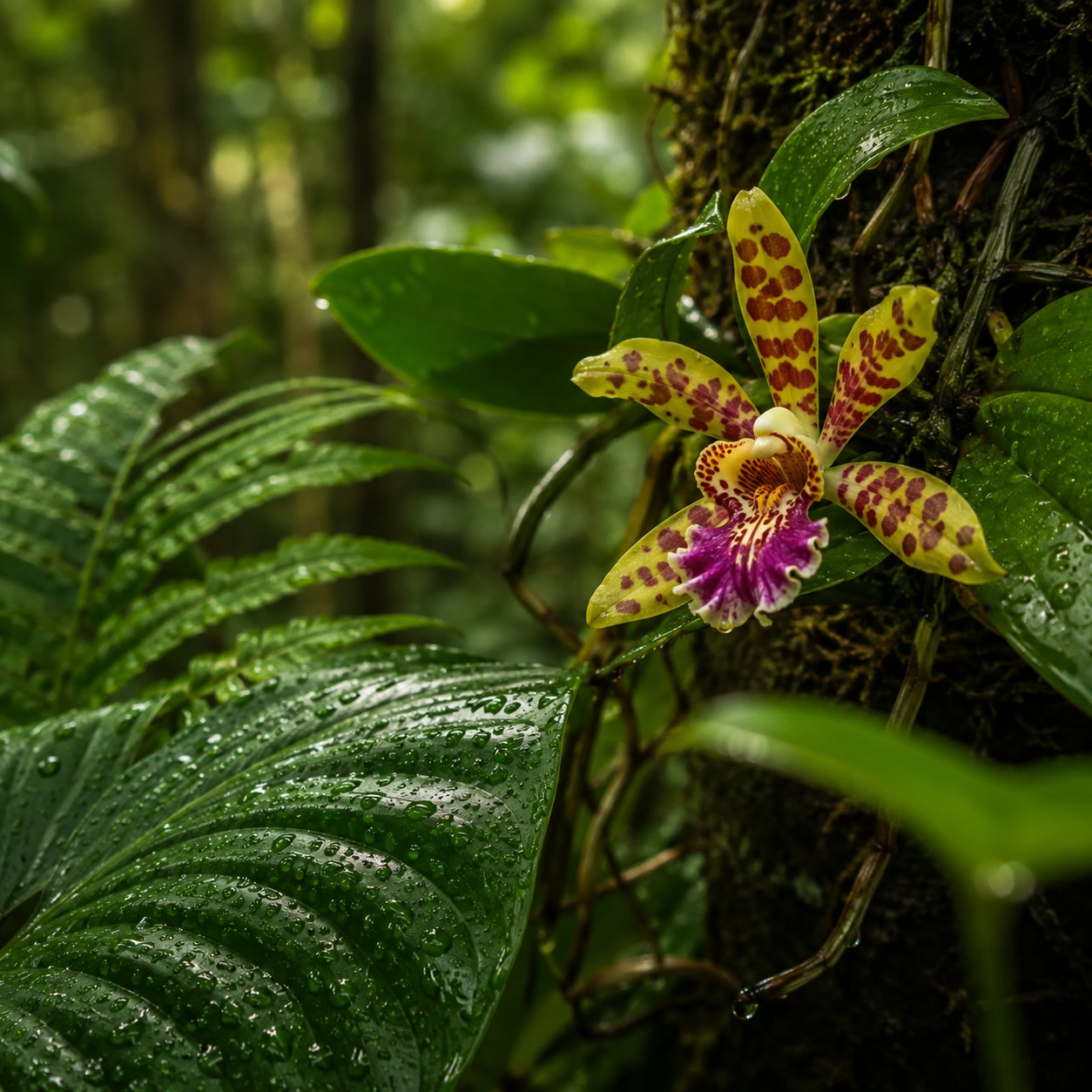
Brazil nut trees, ipês, copaíbas and dozens of native species form the canopy and sustain the entire web of life of the forest. Each managed tree respects the natural cycle of the forest, ensuring it remains diverse and productive.
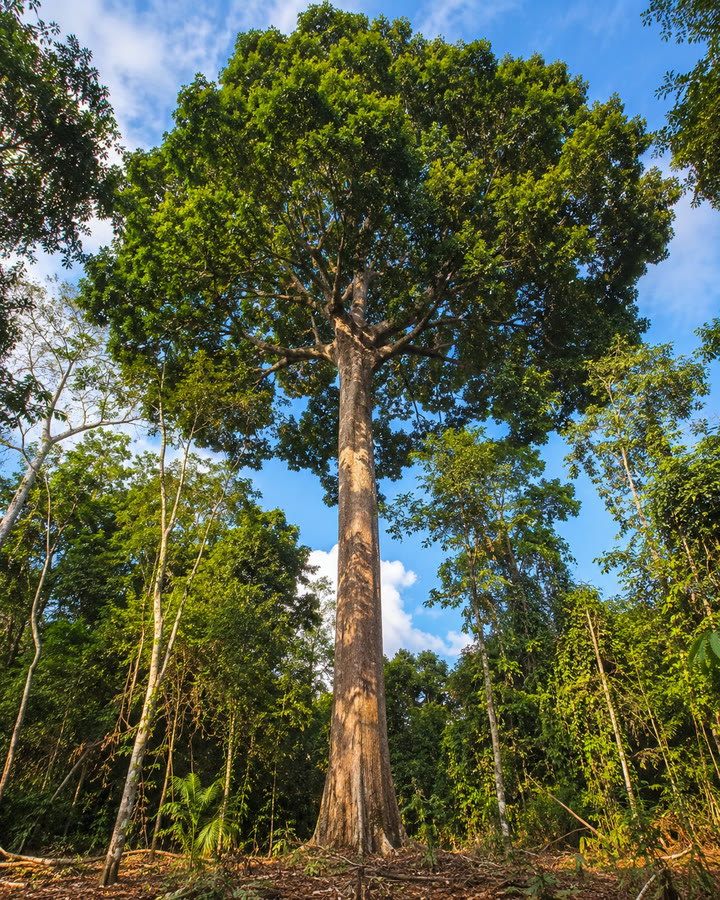
Brazil nut tree
Bertholletia excelsa — Protected by law, it lives for centuries and feeds wildlife and communities.
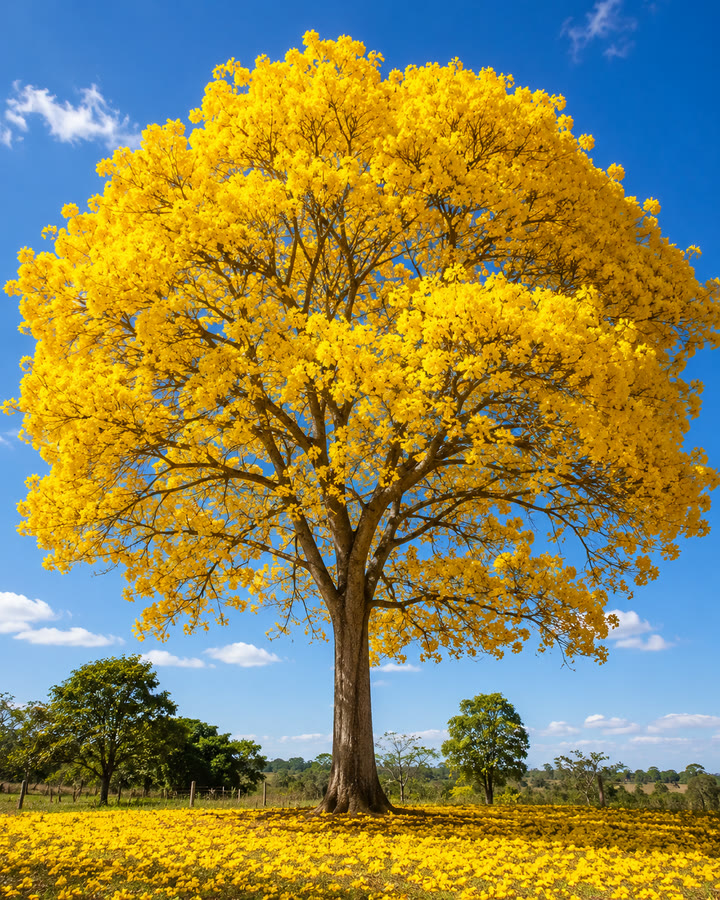
Ipê
Handroanthus spp. — Noble timber and blossoms that paint the canopy with color.
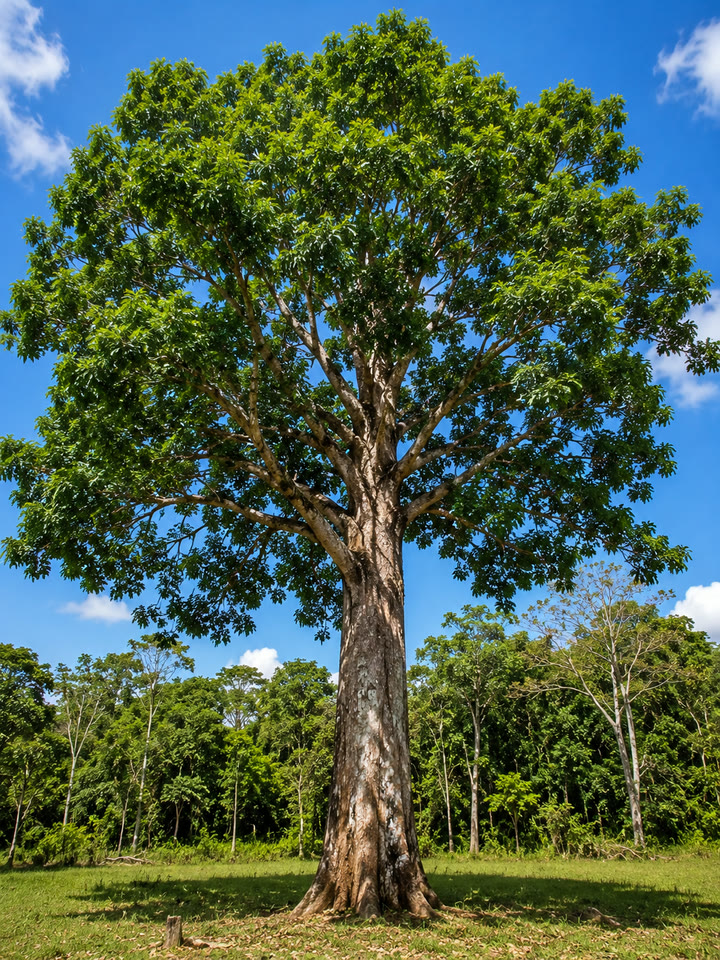
Copaíba
Copaifera spp. — Medicinal oil extracted without felling the tree.
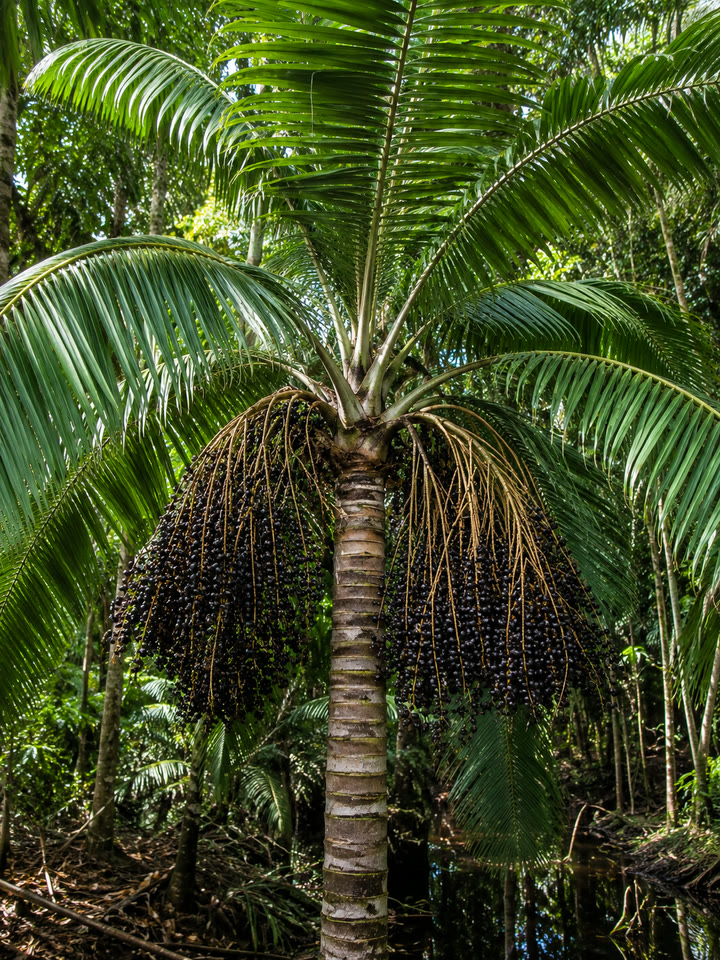
Amazon açaí
Euterpe precatoria — Fruit palm, a symbol of the Amazon forest.
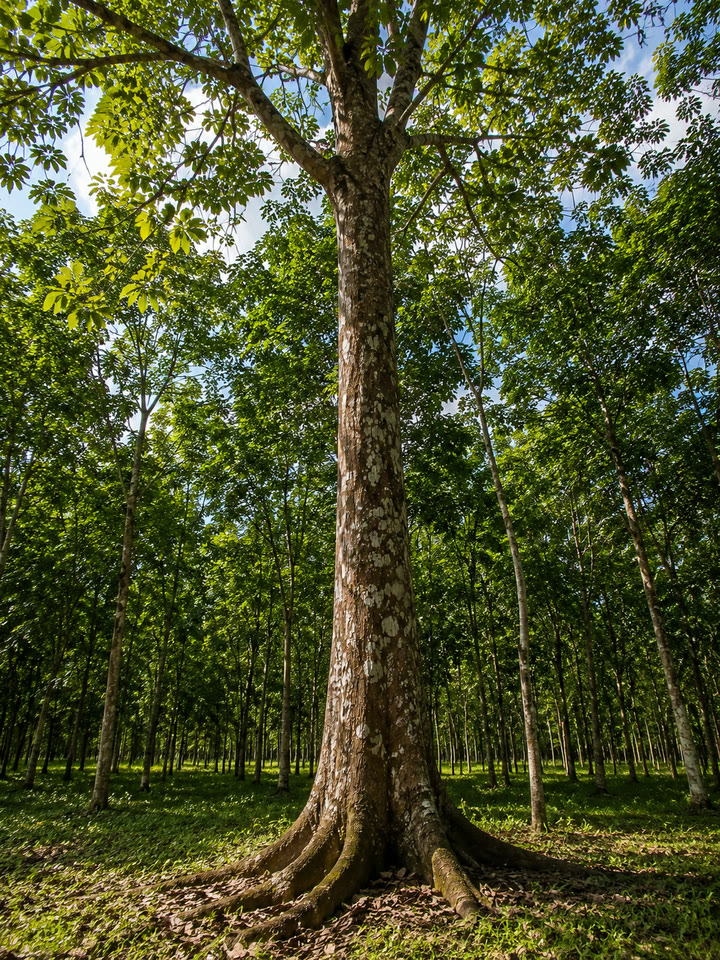
Rubber tree
Hevea brasiliensis — Historic source of latex, managed sustainably.
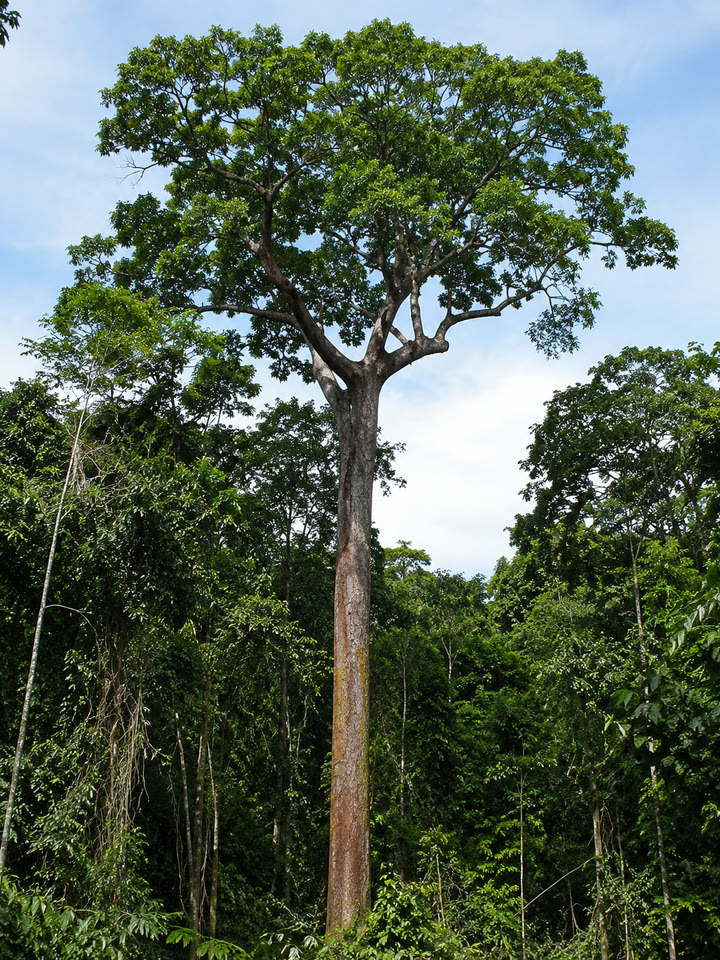
Cumaru
Dipteryx odorata — Aromatic seeds, a species of high conservation value.